 Professional
 Fast
Fast
 Clean
Clean

You’ve probably wondered if those power strips you’ve plugged in around your home are actually doing what you think they’re doing.
It’s a fair question. You’ve been diligent about protecting your TV, your computer, maybe your router. But in the back of your mind, there’s this nagging thought:
Is this actually enough?
Here’s the truth: those power strips are like putting a good lock on your front door while leaving the windows open. They’re doing something, just not enough.
This isn’t about catastrophic lightning strikes or rare events. It’s about the everyday electrical activity happening in your home that you can’t see, and how it quietly shortens the life of everything plugged into your walls.
This article will explain what whole-home surge protection actually is, how it works, and why it makes sense for homes like yours. No scare tactics. Just clarity.
What Whole-Home Surge Protection Is (Plain English)
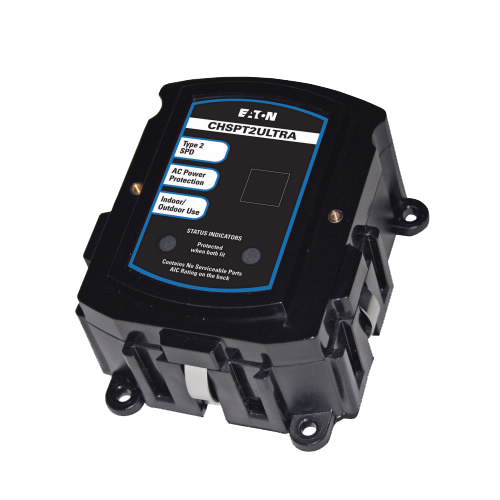
Whole-home surge protection is a device installed at your electrical panel that monitors and controls the voltage entering your home.
Think of your electrical panel as the front door to your house. Right now, everything coming through that door — good or bad — flows straight to every outlet and appliance inside. A whole-home surge protector is like posting a bouncer at that door. It checks the voltage coming in, and when something’s off, it stops the problem before it gets inside.
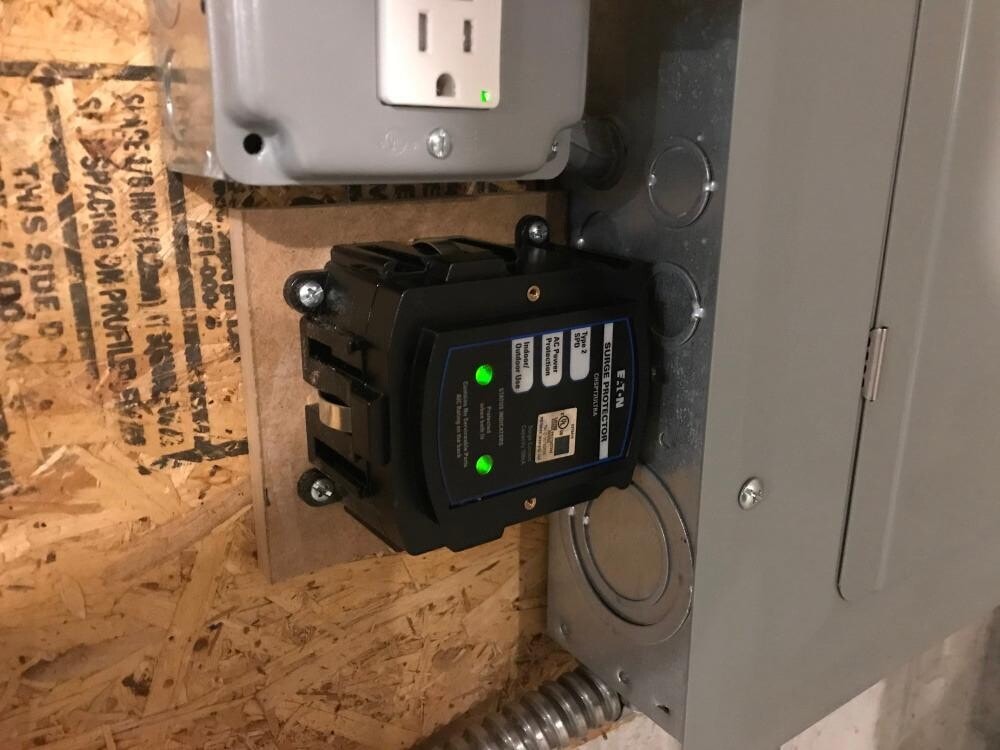
It installs directly into or next to your main electrical panel. The work takes a licensed electrician about one to two hours, depending on your setup. Once it’s in, it’s working 24/7, without you having to think about it.
No dashboards. No settings. It just does its job.
What It Protects (And Why That Matters)
Whole-home surge protection covers everything connected to your electrical system:
- Furnace and air conditioner
- Refrigerator and microwave
- Washer, dryer, and water heater
- TVs, gaming systems, computers, and Wi‑Fi equipment
- Garage door openers, doorbell cameras, and smart home devices
Modern homes are full of sensitive electronics. Even appliances you think of as “just appliances” now rely on circuit boards and digital controls.
Whole-home surge protection means you’re protecting all of it at once, instead of trying to guess which outlets deserve a power strip.

Why Power Strips Feel Helpful — But Aren't Enough
Power strips with surge protection aren’t useless. They do provide a layer of protection for the devices plugged into them, and that’s better than nothing.
But they have real limitations:
- They only protect what’s plugged into them
- Hardwired systems like HVAC and refrigerators get no protection
- They wear out quietly, often without warning
And here’s the part most homeowners don’t realize:
They can’t stop surges that originate inside your home.
Imagine trying to protect your house from a flood by putting sandbags around individual pieces of furniture. Thoughtful, but the water’s already inside.
Power strips are fine for what they are. They’re just not designed to handle the whole picture.
The Real Problem Isn't Big Surges — It's the Small Ones
When most people think about surges, they picture lightning strikes or transformers blowing. Those things happen, but they’re rare.
The bigger issue is micro‑surges: small, repeated voltage spikes that happen dozens of times a day as appliances cycle on and off.
Each one is tiny. You never notice it. But over months and years, they wear down the sensitive components inside your electronics.
Think of it like sun exposure. One sunburn probably won’t cause lasting damage. But years without protection will.
That’s why:
- TVs fail earlier than expected
- Touchpads stop responding
- HVAC control boards burn out prematurely
It’s not bad luck. It’s cumulative electrical stress, and whole-home surge protection stops it at the source.
How Whole-Home Surge Protection Works (Step by Step)
Installation
A licensed electrician installs the device at your electrical panel. Power may be briefly shut off. Most installs take about two hours.
Monitoring
The system constantly watches the voltage entering your home.
Response
When voltage rises above safe levels, from the grid or from appliances inside your home, the system reacts instantly.
Protection
Excess energy is safely redirected into the ground before it reaches your outlets.
You never see it working. That’s the point.
Do You Need It? A Quick Self‑Check
Ask yourself:
- Do you have electronics you’d hate to replace early?
- Is your home more than 10–15 years old?
- Do lights flicker when major appliances turn on?
- Would a $1,000 surprise repair be disruptive?
If a few of these hit close to home, that’s usually a sign it’s worth having a professional take a look, just to be sure.
Why This Is Especially Relevant After the Holidays
If you added new electronics recently like TVs, gaming systems, smart appliances, you’ve increased what’s at stake.
In many Wisconsin homes, especially those built before today’s tech‑heavy lifestyles, electrical systems were never designed for this level of constant demand.
You’ve already made the investment. This just makes sure it lasts.
What a Professional Assessment Adds (Without Pressure)
You can research surge protection on your own. But there’s value in having an electrician who works in Dane County homes every day look at your system.
At Cardinal, we offer a free electrical risk assessment:
- We evaluate your panel
- Identify potential risks
- Explain your options clearly
No pressure. No upselling. Just information.
And this January, we’re offering $50 off whole‑home surge protection installation, simply to make the decision easier if you’ve already been thinking about it.
Frequently Asked Questions
Is whole‑home surge protection worth it?
Yes. Replacing electronics early costs far more over time than protecting them upfront.
Do newer homes need surge protection?
Yes. Newer homes often have more sensitive electronics.
Can I still use power strips?
Absolutely. Whole‑home protection works with power strips as layered defense.
Here is what your neighbors are saying
Rebecca A. – Sun Prairie, WI
Ryan did a great job on our electrical inspection. He was thorough and explained all of his findings to ensure that we understood. He also installed a new outlet and a whole home surge protector. I would definitely recommend Ryan and Cardinal for electrical repairs and service.
Cheri K. – Verona, WI
Justin did an excellent job inspecting our home electrical. He was friendly, knowledgeable and gave good recommendations. We purchased a whole house surge protector as a result of it.
Carl T. – Lodi, WI
Cardinal electricians did a great job installing a whole house surge protector and a 220V line to our garage. Their team is always very professional, neat and efficient.
How long does it last?
Most systems last 5–10 years or longer.
Does it protect against lightning?
It significantly reduces risk, especially from everyday surges. No system guarantees protection from a direct strike.
Conclusion
You were right to wonder if power strips were enough.
Whole‑home surge protection isn’t about fear. It’s about being done thinking about this. It’s about protecting what you’ve invested in, and crossing one more thing off your mental checklist.
You already carry enough as a homeowner. This is one thing you can take off your plate.
Schedule a free electrical risk assessment with Cardinal.
We’ll evaluate your system, answer your questions, and explain your options — no pressure, just clarity.
This January only: Save $50 on whole‑home surge protection installation when you schedule your assessment.