 Professional
 Clean
Clean
 Fast
Fast
How to Respond to Gas Leaks
Knowing how to respond to a stressful situation is one thing—remembering to do it during a crisis is a whole different ball game. When it comes to gas leaks, it can be easy to learn and understand how to respond, but as soon as someone smells gas, all that training goes out the window.
This year for National Wellness Month, take a moment and remember how to respond to gas emergencies. Frequent repetition increases the likelihood that people will respond better in stressful situations. Follow these recommendations from local gas leak specialists and have the confidence and peace of mind to know how to do the right thing.
Common Gas Leak Signs
Gas leaks can range from small to large, but one should treat any size gas leak with the utmost respect. All gas leaks can show signs that they are present; homeowners can respond quickly to keep everyone safe when these signs are recognized. The most common signs of gas leaks are:
- Sulfurous or rotten egg smell
- Increase in gas bills
- Hissing noises near appliances
- Dead spots on the lawn
- Malaise or fatigue
- Nausea
- Headaches
Reacting to Gas Leaks
When gas leaks are noticed, there is no need to panic, but there is a need to act calmly but urgently. Start by getting out of the area where the signs were noticed, whether outdoors or inside the home. Do not touch any electrical switches since actuating them could cause sparks that could ignite the gas. Don’t smoke and don’t start cars if the gas leak is in the area of automobiles.
Next, work to get the gas shut off from a safe distance. All homes have a gas valve on the meter that one can turn off. If anyone in the home shows gas exposure symptoms, one should call the fire department for help. They can stabilize the patients and help ventilate gas from the area.
Finally, call a gas leak plumber. Ultimately it will be a plumber who will make the situation safe again, so it is best to get someone on the way immediately, just in case.
Professional Gas Leak Solutions
Plumbing in the home is never a project that weekend warriors should attempt. Plumbers are highly trained and qualified to meet the stringent expectations of plumbing codes designed to keep homes safe. All of this is even more true when dealing with gas lines within the home. Instead of figuring it out and piecing together a dangerous solution, homeowners should call a professional and get things fixed right the first time for their safety.
One thing that sets gas leak repair experts apart is the tools they use to keep gas service safe within a home. Whether they are simply installing a new appliance or dealing with a gas leak event, professionals have special detection devices that detect minute amounts of gas that can be harmful. This ensures that every job they do is done perfectly.
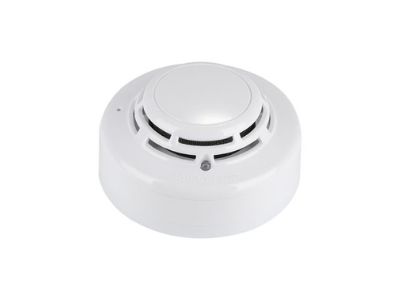
As a final note on gas safety, gas detectors do exist. However, unless specifically noted, they are not the same as carbon monoxide detectors. If gas detectors are needed, they should be purchased separately and located in the specified areas.
About Cardinal Heating & Air Conditioning
For nearly 40 years, Cardinal Heating & Air Conditioning has been providing high-quality service to its customers. These professionals handle all plumbing problems, from clogged toilets to water heater installation. Call today for gas leak services in Sun Prairie, WI.
)
)
)
Distribution Links +
- htv10.tv
- southeast.newschannelnebraska.com
- rivercountry.newschannelnebraska.com
- wicz.com
- rfdtv.com
- snntv.com
- central.newschannelnebraska.com
- metro.newschannelnebraska.com
- midplains.newschannelnebraska.com
- northeast.newschannelnebraska.com
- plattevalley.newschannelnebraska.com
- panhandle.newschannelnebraska.com
- wpgxfox28.com
- lifestyle.mykmlk.com
- wtnzfox43.com
- lifestyle.3wzfm.com
- lifestyle.southernsportstoday.com
- lifestyle.thepodcastpark.com
- lifestyle.680thefan.com
- lifestyle.xtra1063.com
- lifestyle.953hlf.com
- lifestyle.rewind1019.com
- lifestyle.us983.com
- lifestyle.countrylegends1059.com
- lifestyle.967wshv.com
- lifestyle.1045thedan.com
- yournewsnet.com
- michigan.yournewsnet.com
- midwest.yournewsnet.com
- northeast.yournewsnet.com
- southeast.yournewsnet.com
- southwest.yournewsnet.com
- lifestyle.earl983.com
- west.yournewsnet.com
- lifestyle.maverick1023.com
- lifestyle.magic979wtrg.com
- lifestyle.1077lakefm.com
 Flushing used contact lenses down the toilet contributes to creating microplastics, a major cause of environmental concern. Contacts break down over time into tiny microplastics, which contribute to microplastic pollution in the water supply, eventually making their way into the food chain.
)
)
)
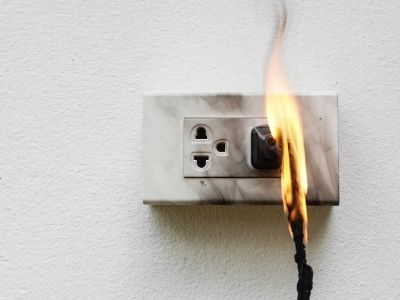 Power surges can
  Luckily, installing a whole house surge protector can prevent a power surge from wreaking havoc on the home’s electronics. These surge protectors are wired directly into the home’s electrical system, acting as a filter that keeps the surge from moving through the house. Doing this protects the sensitive circuitry in the home’s appliances.
)
)
)