 Professional
 Clean
Clean
 Fast
Fast
Think Before You Flush
Most people don’t think twice about what they’re flushing down the toilet. But some things should never be flushed. What you flush down the toilet can significantly impact your plumbing. In this blog post, we’ll take a look at some of the items that should NEVER be flushed down the toilet – and why. Avoid plumbing problems and expensive repairs by following these simple tips!
Here are just a few items that should stay out of your toilet:
1. Disposable diapers:
Disposable diapers are one of the most common items found in sewer blockages. They’re bulky and absorbent, so they can easily clog pipes. In addition, diapers often contain harmful bacteria that can spread disease.
2. Feminine hygiene products:
Feminine hygiene products, like tampons and pads, are another common cause of plumbing problems. They’re often made of plastic or other materials that don’t break down easily and can absorb large amounts of water.
3. “Flushable” wipes and baby wipes:
Just because a product is labeled “flushable” doesn’t mean it’s safe to flush. These wipes don’t break down like toilet paper, so they can cause clogs. Baby wipes may be safe for your baby’s bottom, but they’re not safe for your toilet. Like “flushable” wipes, they can cause clogs.
4. Contact lenses:
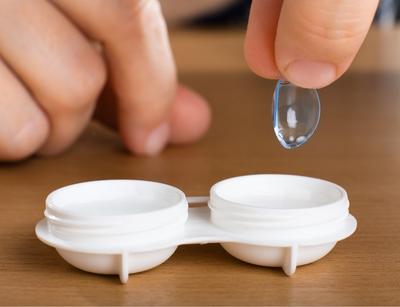 Flushing used contact lenses down the toilet contributes to creating microplastics, a major cause of environmental concern. Contacts break down over time into tiny microplastics, which contribute to microplastic pollution in the water supply, eventually making their way into the food chain.
5. Paper towels and napkins:
Paper towels and napkins are made from different materials than toilet paper, so they don’t break down as easily. They can cause clogs and may even contaminate the water supply.
6. Cigarette butts:
Cigarette butts may be small but can cause big problems. They’re made of cellulose acetate, a type of plastic that doesn’t break down easily. Plus, cigarette filters are designed to absorb toxins, so flushing them can contaminate your water supply.
7. Food waste:
Food waste doesn’t belong in your toilet either. It can cause clogs and may even attract pests. It can also release harmful bacteria into the water supply.
8. Grease and cooking oil:
 Grease and oil harden as they cool, and that can cause serious clogs. Never pour them down the drain or flush them down the toilet.
9. Expired medications:
Flushing expired medications down the toilet may seem like a safe way to dispose of them, but it’s quite dangerous. These drugs can end up in the water supply, where they can contaminate it.
10. Pet waste and cat litter:
Pet waste should never be flushed down the toilet. It can cause clogs and may even contain harmful bacteria. Cat litter is not biodegradable and doesn’t break down in the water, meaning it can clog your pipes and cause serious plumbing problems. And if the cat litter makes it to a sewage treatment plant, it can damage equipment and pollute waterways.
So what CAN you flush? Toilet paper, of course! Only flush toilet paper down the toilet to protect plumbing from clogs. Everything else should go in the trash. This includes paper towels, flushable wipes, feminine hygiene products, and anything else that isn’t specifically designed to be flushed.
Even some “flushable” products can cause problems, so it’s always best to err on the side of caution. And if you have any doubts about whether something is safe to flush, just remember: when in doubt, throw it out! Your plumbing will thank you!
About Cardinal Heating & Air Conditioning
Cardinal Heating & Air Conditioning has been committed to serving the community of Sun Prairie, WI, and the surrounding areas since 1984. They provide honest advice, membership plans, and 24-hour emergency response. Call them today for plumbing services in Sun Prairie, WI.
)
)
)
Distribution Links +
- htv10.tv
- southeast.newschannelnebraska.com
- rivercountry.newschannelnebraska.com
- wicz.com
- central.newschannelnebraska.com
- metro.newschannelnebraska.com
- midplains.newschannelnebraska.com
- northeast.newschannelnebraska.com
- plattevalley.newschannelnebraska.com
- panhandle.newschannelnebraska.com
- lifestyle.mykmlk.com
- lifestyle.3wzfm.com
- lifestyle.southernsportstoday.com
- lifestyle.thepodcastpark.com
- lifestyle.680thefan.com
- lifestyle.xtra1063.com
- lifestyle.953hlf.com
- lifestyle.rewind1019.com
- lifestyle.us983.com
- lifestyle.countrylegends1059.com
- lifestyle.967wshv.com
- lifestyle.1045thedan.com
- michigan.yournewsnet.com
- lifestyle.earl983.com
- lifestyle.maverick1023.com
- lifestyle.magic979wtrg.com
- lifestyle.1077lakefm.com
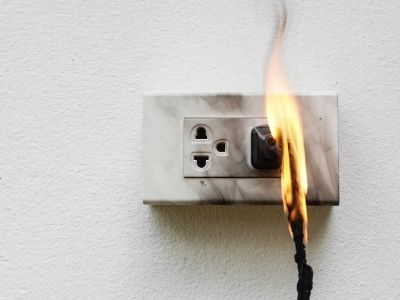 Power surges can
 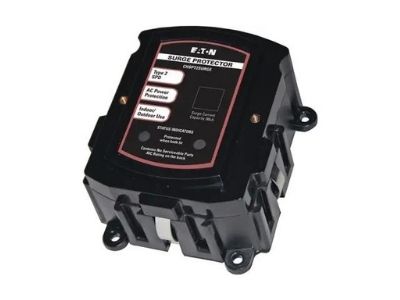 Luckily, installing a whole house surge protector can prevent a power surge from wreaking havoc on the home’s electronics. These surge protectors are wired directly into the home’s electrical system, acting as a filter that keeps the surge from moving through the house. Doing this protects the sensitive circuitry in the home’s appliances.
)
)
)
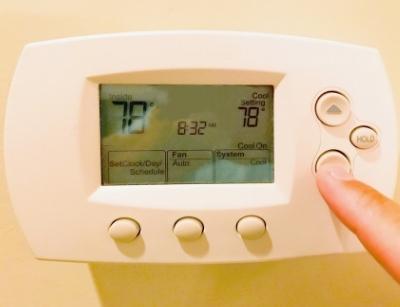 If your air conditioner isn’t distributing cold air, check the vents in several different rooms to see if they are blowing cold air. This is often the most obvious and easiest way to detect if you have a possible refrigerant leak. If the air is warm or just mildly cooled, this could be a sign you have a refrigerant leak.
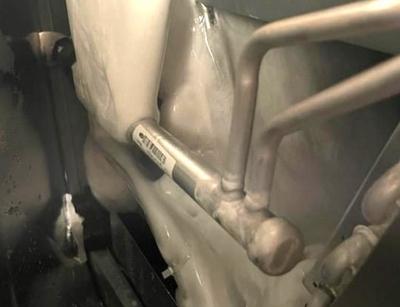 If the refrigerant levels flowing through the evaporator coils are insufficient, it won’t draw heat properly, resulting in condensation forming outside the coils and freezing. This could result in costly repairs.
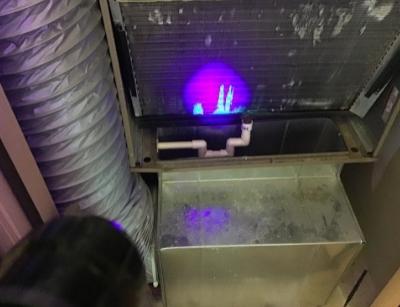 A professional will utilize several different ways to detect a refrigerant leak in your HVAC system. The first and most common way to test for a refrigerant leak is to use an electronic leak detector. This is one of the most popular methods due to the high degree of accuracy that well-calibrated devices deliver.
)
)
)
)