Schedule Service

If you’ve been questioning whether or not you need an electrical panel upgrade, you’ve come to the right place. This article will provide you with all the essential information and answers to the questions that have been lingering in your mind.

What Are Amps and How Do They Affect My Home?

Amps, also known as amperes, are units of measurement used to gauge the flow of electrical current. They determine the power draw and current usage of each circuit in your home.

It’s crucial to be aware of the total number of amps in your house. If the number is too high, it can pose a serious safety hazard. Knowing your home’s power requirements and the number of amps available will ensure safe and efficient usage of your devices.

How Do I Find Out How Many Amps My Electrical Panel Is?

In most cases, your electrical panel will have a label that lists the total number of amps it is rated for. If this label is not present, you may need to contact a licensed electrician in order to determine the total number of amps.

How Do I Figure Out How Many Amps I Need to Supply My House With Safe Electricity?

Electrician explaining electrical panel settings to a homeowner, emphasizing safety and amp capacity for home power requirements.To determine the total amps required to safely power your home, you’ll first need to figure out the total wattage needs of all your appliances and electronics. Once you have this information, you can utilize a Wattage/Amps calculator, which will help you determine the required amp capacity.

It’s also important to consider any future additions of appliances or electronics to your home before settling on the final amp number. Consulting a licensed electrician is recommended to help determine the total amps needed. They will ensure that your electrical system can handle the increased load and assist in any necessary upgrades to accommodate everything safely.

How Do I Find Out the Age of My Electrical Panel?

The best way to determine the age of your electrical panel is to look for a manufacturer’s label on the interior of the panel. The label should include the date of manufacture and the model number, which can be used to reference the age of the panel. If you cannot find a label on the interior of the panel, you can also look at the type of breakers used in the panel.

What Are Some Signs That My Electrical Panel Needs to Be Upgraded?

Frequent circuit breaker tripping, flickering lights, burning smells, melted wires, and discolored wiring are common indicators that your electrical panel may need an upgrade. Other signs include recurring power outages, humming or buzzing noises from the panel, and visible damage to the circuit board or wiring. However, it’s important to note that these signs could also be from other issues and not solely a panel upgrade requirement.

What Are the Hazards Involved With an Outdated Electrical Panel?

Using an outdated electrical panel is a serious safety risk and should be avoided. It can lead to malfunctioning circuits, electrical fires, shock hazards, and even damage to your appliances and electronics.

If you have an outdated electrical panel, it is important to upgrade it as soon as possible in order to ensure the safety of your home or business.

Are There Any Requirements Needed to Upgrade My Electrical Panel?

Electrician inspecting electrical panel with tablet, assessing safety and upgrade requirements for outdated systems.Yes, when upgrading an electrical panel, it is important to ensure it meets all current safety standards and codes. This includes ensuring the panel is properly grounded, the wiring is up to code, and the circuit breakers are the correct size and type.

Depending on the age, condition, and location of the panel, an electrician may need to replace it with a new one or upgrade it with the necessary components. If a replacement is necessary, the electrician will be able to advise on the best type and size of a panel for the specific application.

Additionally, the electrician will inspect the panel to ensure all connections are secure and free of corrosion or damage. They would also provide guidance on any additional safety measures, such as GFCI outlets or surge protectors.

What Are the Benefits of Upgrading My Electrical Panel?

Person inspecting an electrical panel with circuit breakers, highlighting the importance of safety and compliance in electrical upgrades.There are several benefits associated with upgrading your electrical panel. These include:

  • Increased safety: A newer, properly maintained electrical panel will ensure all wiring and connections are up to code and free from any potential fire hazards.
  • Enhanced overall performance: An upgraded electrical panel can lead to improved power supply and support for new appliances and electronics.
  • Increased home value: Upgraded electrical panels can add to a home’s overall value, as potential buyers will be reassured by the fact that the electrical system is up-to-date and in good condition.
  • Increased longevity: An upgraded electrical panel can help extend the life of your electrical system, helping it to stay in good working order for years to come.

How Much Does It Cost to Upgrade My Electrical Panel?

The cost of upgrading an electrical panel varies depending on the age and condition of the panel, the size of the system, the complexity of the upgrade, and the type of components being used.

Generally speaking, a standard panel upgrade can cost anywhere from $3,000 to $7,000. A complex upgrade can cost up to $10,000 or more. In addition to the cost of the upgrades, there may also be additional costs such as permits, inspection fees, and labor costs that need to be taken into consideration.

It is important to consider the long-term cost and benefits of upgrading your electrical panel. Investing in upgrades can save money in the long run through improved performance, safety, and increased home value.

Do I Need to Get an Inspection When I Upgrade My Electrical Panel?

Yes, you need to have your electrical panel inspected by a qualified electrician prior to upgrading. This will ensure the current system is up-to-code and in good working order. The electrician can also provide advice on any additional requirements that may need to be taken into consideration during the upgrade process.

Electrical Panel Installation and Upgrade in Sun Prairie, Wisconsin: Cardinal Electricals

Are you looking for a professional electrician in Sun Prairie, Wisconsin? Look no further than Cardinal Heating and Air Conditioning! Our experienced team of electricians specializes in installing and upgrading electrical panels, as well as providing all other electrical, plumbing, heating, and air conditioning services.

With our expertise and years of experience, we guarantee quality service that is both safe and reliable. Whether you need a new electrical panel installed or an old one serviced, our skilled Electricians are up to the task. Contact us today, and let us help you with all your electrical needs!

Distribution Links +

Schedule Service

Did you know that according to Wisconsin’s Focus on Energy website, heating and cooling accounts for nearly half of your household energy usage? This means that a heating and cooling system is the highest energy user in a typical household.

In a bid to reduce costs on utility bills, there has been an increase in demand among homeowners for cost-effective heating and cooling alternatives. One that could offer both efficiency and comfort while allowing them to save significantly on energy bills.

Today, there’s no smarter, more cost-effective way to keep your home cool than investing in a ductless mini-split system. Because of its design and features, you can save up to 30% on your household utility bill through mini-split systems (as compared to traditional systems).

In this article, you’ll learn what mini-splits are and whether they are worth the hype. You’ll also get answers to some of the most frequently asked questions (FAQs) about this high-energy efficient ductless heating and cooling system.

What Is a Mini-Split System?

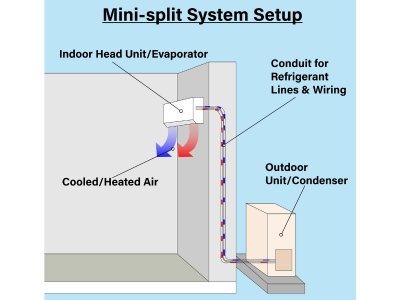
Mini-split system setup diagram illustrating indoor head unit/evaporator and outdoor unit/condenser, with conduit for refrigerant lines and wiring, emphasizing efficient heating and cooling for homes.A mini-split system is an alternative to the traditional HVAC system. It’s an innovative heating and cooling system that got its name from its design and how it functions.
The term “mini” refers to the smaller size and compact design of the system as compared to the traditional HVAC system. The smaller size makes this unit great for mounting on the wall or ceiling, while the compact design makes the units easy to install and allows placement flexibility.

The term ”split” in a mini-split system implies that the unit is separated/split into two main functional components. The refrigerant lines and electrical wiring link these two components, creating a ”split” system. The two components are:

  • 1. An outdoor unit consisting of the compressor and condenser, which circulate refrigerant and heat extracted, respectively
  • 2. An indoor unit containing the evaporator which delivers conditioned air to specific areas or zones

It’s worth noting that a mini-split system can come in two distinct configurations depending on the number of indoor units connected to the outdoor unit. When it comes to this end, the choice of your mini split may depend on your desired level of climate control and the size of your space.

The two system configurations are:

  • 3. Single-zone mini split—consists of one indoor unit for one outdoor unit
  • 4. Multi-zone mini split—consists of multiple (2-4) indoor units for one outdoor unit

In short, ”mini-split” refers to a small, compact heating and cooling system with outdoor and indoor components. It’s also known as a ductless mini-split system and offers an individualized level of climate control to specific rooms or zones within a building.

Where Can a Mini-Split System Be Installed?

Thanks to its small, compact design, you can install a mini-split system in various locations within your home. However, the location and style of the mini-split are crucial to receiving optimal conditions. Based on the method of installation, let’s take a look at some common types of mini splits out there:

1. Wall-Mounted Mini Split

This is the most popular and straightforward installation option for a mini-split unit. As its name implies, it involves mounting or placing a mini split high on the wall (just below the ceiling). This installation option or method is ideal if you want the unit to deliver conditioned air throughout the room. It’s commonly used in residential settings.

2. Floor-Mounted Mini Split

This is an alternative installation method for spaces with limited wall space, or ceilings that are too low. Here, a mini-split is installed on a wall at or near floor level. This mini split type is ideal for rooms with large windows or spaces where a low-profile unit is desired (such as in sunrooms or offices).

3. Ceiling-Cassette Mini Split

These mini splits are installed on the ceiling. Its installation involves hanging the unit from the ceiling using brackets or chains. This particular installation option allows a wider circulation of conditioned air than most other options. It’s ideal where there’s limited wall space. Many homeowners who don’t want their HVAC system to take up wall space or want to keep their indoor units out of sight might prefer this option.

How Efficient Is a Mini-Split System?

Mini-split systems are particularly efficient in many ways compared to traditional HVAC systems. According to Energy.gov, traditional HVAC systems use ducts and, as a result, account for over 30% of energy consumption to provide the heating or cooling needed. They often feature centralized units that deliver heating and cooling to the entire house, resulting in energy losses in unoccupied rooms.

On the other hand, mini-split systems operate without the need for ducts. And this helps eliminate the energy loss associated with ductwork. This feature (combined with other features of a mini split) allows the units to deliver more efficient heating and cooling. It will also result in potential energy savings, reducing household energy consumption by up to 30% compared to traditional HVAC systems.

People who want to meet their household heating and cooling needs demand the most energy-efficient heating and cooling options. And as a result, they’re opting for mini splits to reduce energy consumption and lower utility bills, saving big on energy costs.

Is a Mini-Split System Loud?

Mini-split systems are designed to provide unobtrusive cooling and heating. Mini-splits (indoor units) typically have noise reduction features and perform their operations at lower decibel levels.

Some modern mini-split systems are equipped with sound-dampening technology to make them extremely quiet. These units also feature advanced fan designs that help minimize noise levels when the units are in use.

However, their outdoor unit does produce some noise during operation. But the noise level is generally lower than what you may experience from larger central conditioning units.

Can I Use a Mini-Split System for Both Heating and Cooling?

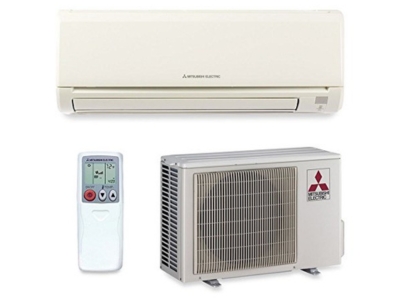
Mitsubishi mini-split system with indoor and outdoor units, remote control, highlighting energy-efficient heating and cooling technology for HVAC solutions.Yes, mini-split systems are designed to provide two modes of operation: cooling mode (for cooling) and heating mode (for heating). They use heat pump technology which allows the units to transfer heat from the outdoor unit to the indoor unit for heating or from the indoor to the outdoor unit for cooling. It’s important to note that in cold climates you will need a supplemental source of heat when the temperatures are particularly frigid. Any temps below -14° and the heat pump will not be capable of pulling enough ambient heat out of the air to produce heat, and you will need to rely on a backup heat source.

How Many Mini-Split Systems Do I Need to Be Effective?

The total size of the space will determine the size and number of mini splits you’ll need for optimal heating and cooling of your home. This also includes the power capacity needed for the systems. In general, the larger the space where you need these systems, the larger/more systems you’ll need for adequate coverage.

Homes with larger spaces featuring multiple rooms or zones may require multi-zone mini splits to effectively heat and cool the entire space. A single-zone mini split is generally only used to heat or cool one room and is great for additions to your home such as sunrooms where you might not want to spend the extra money on installing ductwork.

In measuring your home’s size and layout, you need to consider factors such as your:

  • space’s square footage
  • ceiling height
  • number of windows
  • insulation levels

These factors will assist you in the proper estimation of the number and placement of indoor units needed for your space. An HVAC professional best handles these calculations.

Number of Rooms

Suppose you have multiple rooms or areas in your home that require different temperature settings. In that case, a separate indoor unit for each room or zone is required for individualized adequate climate control.

Your Load Calculation

Load calculation (aka heating and cooling load calculation) is a way used to determine the heating and cooling requirements of a home, building, or space. This is estimated in British Thermal Units (BTUs) or kilowatts (kW).

This process involves evaluating certain factors affecting the heat gain or heat loss in the area where heating and cooling are required. This helps determine the ideal capacity or number of mini splits your home needs to maintain desired climate settings.

These factors may include:

  • climate
  • ventilation
  • building orientation
  • windows and doors
  • insulation
  • occupancy and internal loads

HVAC professionals would consider these factors when calculating the load calculation using manual methods or specialized software. The results of your home load calculation will guide the HVAC professional in determining the appropriate number and capacity of mini splits needed.

How much does a mini-split system cost to install?

The installation cost of a mini-split system fluctuates based on the type of system (single zone or multi-zone) and the number of units needed.

Typically, a single zone system tends to average at approximately $9,000, covering both the components and the installation. On the other hand, a multi-zone system’s total cost can reach up to $15,000, depending on the number of units being installed. While they may appear somewhat expensive initially, these systems prove beneficial over time by reducing energy expenses annually.

Mini-split system Installation in Sun Prairie, Wisconsin.

Talk to one of our professionals today at Cardinal Heating and Air Conditioning. We’re ready to answer all your questions about mini-split systems and air conditioning in Sun Prairie, Wisconsin, and its neighboring counties.

You can contact Cardinal Heating & Air Conditioning at (608) 837-9367 or send us a text via our website, and we’ll answer all your questions.

Schedule Service

Simple Additions That Make the Most of Outdoor Living Spaces

Summer is a time to be outdoors and share memories with friends, but if the neighborhood or friends group doesn’t have a regular place to gather, it can be difficult to celebrate. Homeowners can design a backyard space that is perfect for entertaining and will provide an atmosphere that breeds comfort and enjoyment with just a little thought and the help of an electrician. 

Install Strategic Exterior Lighting

Outdoor seating area with modern furniture and patio lights by Cardinal Heating, Cooling, Plumbing & Electric.

Outdoor lighting can be both practical and decorative. It helps keep the outdoor area visible, allowing the party to go well into the night, and exterior lights can also be used to create a festive mood. A few examples that fit both the practical and decorative categories are examined in the following paragraphs.

  • Motion-Sensor Lights: These lights are handy for driveways and backyard spaces that animals might use.  
  • Pathway Lights: These are usually used along a sidewalk area to provide a good visual of the path and allow navigation. 
  • Step Lights: These particular lights are often embedded in the steps leading up to a porch area to help people navigate the stairs, even in low light. They are usually placed vertically so that they shine out onto the step.
  • String Lights: While string lights are always great for a party look, they have the practical aspect of lighting up the yard while creating a romantic atmosphere.
  • Solar Lights: These outdoor lights are often seen in the gardening section of local department and hardware stores at this time of year. They save money using only solar energy and provide a nice LED light source perfect for lighting paths or flowerbeds.
  • Spotlights: These can be good for when a homeowner has to let pets outside or, as a decorative measure, to highlight certain landscaping areas, such as a tree.

Invest in a Generator

Generac generator beside a blue house with a garden, by Cardinal Heating, Cooling, Plumbing & Electric.

Even exterior lights can help save a get-together if there is a power outage. Summer is often when outages occur due to increased air conditioner usage. Not only are power outages inconvenient, but they can also be dangerous for vulnerable people who may depend on electricity to run certain things they require for their health. This is why homeowners with these concerns should consider purchasing a power generator. It can take the pressure off and keep a summer gathering going. The benefits of owning a generator are contained in the list below.

  • A generator keeps the refrigerator and freezer going, preventing food spoilage
  • A generator keeps the air conditioning going to keep the home cool
  • A generator keeps the lights on
  • A generator will power security systems and life-saving devices in a power outage

Take the Plunge for a Pool or Hot Tub

What could make a summer more perfect? The only real answer is a pool or hot tub. While these are significant financial investments, they are also a way to increase the value of a home and curb appeal. The main problem with a pool or hot tub is ensuring a professional safely and properly wires it. It must be done according to regulations and local laws to keep everyone safe from electric shock.

About Cardinal Heating & Air Conditioning

With fully-stocked vehicles and 24-hour emergency response, Cardinal Heating & Air Conditioning has made a name for itself in Sun Prairie, WI, and the surrounding communities. Call them today for a 1-day lighting installation by professional, background-checked technicians.