 Professional
 Clean
Clean
 Fast
Fast
Have you observed a rise in allergy symptoms or other respiratory issues? Have you noticed an increase in headaches, nausea, shortness of breath, sneezing, coughing, or congestion?
These could be signs that the air quality in your home is not optimal. According to the U.S. Environmental Protection Agency, the average American spends almost 90% of their time indoors. It’s really easy to overlook an invisible but important factor in the air we breathe indoor air quality.
Poor indoor air quality (IAQ) can exacerbate allergies and potentially harm your overall well-being.
What Is Indoor Air Quality?
The EPA (Environmental Protection Agency) describes IAQ as “the air quality around and within the buildings and structures as it relates to the comfort and health of people in the buildings.” It’s the air inside your home.
The quality of the air in your home is affected by many different things within your home as well as things outside of your home. Whether it’s coming from poor ventilation, mold, or other odors, IAQ impacts your everyday life, so it’s important to keep everything up-to-date.
How Do You Test for IAQ?
An indoor air quality monitor can tell you everything you need to know about your air quality; it will detect the amount of pollution in the air, and depending on which type of monitor you have or purchase, there will be various types of tests you can run on it. Most IAQ monitors will test for mold, humidity, harmful odors, and chemical pollutants. Other models can test for temperature, carbon monoxide, and beyond. The devices can cost anywhere from $70 to about $500. You can also contact your local HVAC company and determine if they can run an air quality test for you. With the results, technicians will be able to give you advice based on the readings and figure out what equipment will be best suited for you and your home’s needs.
What Are the Causes of Poor IAQ?
 There are several different causes of poor indoor air quality, including VOCs, particulates, and bioaerosols.
- Volatile Organic Compounds (VOCs) are gases that emit chemicals or odors. VOCs make up roughly 31% of the poor indoor air quality in your home. Examples of VOCs include substances found in paints and aerosol sprays, as well as various cleaners and disinfectants.
- Particulates are solid and liquid particles that hang in the air, such as dust mites, soot, smoke, and pet dander.
- Bioaerosols are microorganisms such as viruses, bacteria, mold, and fungi.
 The causes of poor IAQ differ from room to room in your home. Bathrooms are prone to mold, mildew, odors, and pathogens. In the living room or family room, the presence of dust, dander, tobacco smoke, and VOCs originating from sources like paint and varnish can serve as indicators of poor indoor air quality. Similarly, bedrooms might contain dust mites and VOCs from products like perfumes and hairsprays, signaling potential air quality issues. Finally, kitchens can contribute to poor indoor air quality due to cooking devices and fuel oil emissions. Although the filters in your HVAC system can help with some of these issues, most filters won’t be able to catch all the issues related to poor IAQ.
Many factors influence the air quality within and around your home. If you leave windows or doors open, especially when the outdoor air is of low quality, it can negatively impact the quality of the air in your home.
How Do I Improve the IAQ of My Home?
 There are numerous ways to go about improving indoor air quality in your home:
- Have a professional check your ventilation systems and see if they need improvement. Proper ventilation allows the introduction of fresh air into the home and can go a long way toward improving poor air quality. Modern homes are built to be as airtight as possible, and having proper ventilation allows the introduction of fresh air into the home.
- Another option is an air cleaner. This is an upgraded filter system connected to your HVAC. An air cleaner can remove up to 98% of airborne particles and catch what a normal filter can’t. If you don’t have one, it could be worth looking into for improved air quality.
- Getting a duct cleaning can improve the air quality as well. Duct cleaning creates a cleaner living environment, reduces allergens and irritants, removes unpleasant smells and odors, and improves airflow efficiency, all while being cost-effective.
- Adding humidifiers/dehumidifiers, UV air purification/air purification devices and air cleaners will improve your IAQ. Humidifiers and dehumidifiers will help your health by preventing respiratory problems like catching a cold or the flu and reducing the chances of getting an infection. They help preserve your home by saving your floors from cracking, walls from warping, paint from chipping, and electronics from getting damaged by moisture in the air.
- A UV air purifier is a small device that can be installed directly into the supply air of your HVAC system. UV air purification cleans the air by combining UV-C light and activated carbon. Those two technologies have been proven to be the most effective at killing germs. Most, if not all, UV air purifiers don’t produce ozone, which can be harmful to your health, but it is always a good idea to do a little research to be sure before having one installed.
- Finally, a whole-home air purifier, also known as an air scrubber, is another small device that can be installed directly into the supply air duct of your HVAC system. It uses positive and negative ions to actively purify the air throughout your home.
Cardinal Heating & Air Conditioning Is Here 24/7 to Help.
Homeowners in Sun Prairie, WI, and the surrounding area trust the Cardinal Heating & Air Conditioning team with all their home repair and maintenance needs. They have experienced and knowledgeable technicians who will get the job done right the first time. Call Cardinal Heating & Air Conditioning to get a full breakdown of what’s the best fit for you!
)
Distribution Links +
- wicz.com
- htv10.tv
- central.newschannelnebraska.com
- metro.newschannelnebraska.com
- southeast.newschannelnebraska.com
- midplains.newschannelnebraska.com
- northeast.newschannelnebraska.com
- plattevalley.newschannelnebraska.com
- panhandle.newschannelnebraska.com
- rivercountry.newschannelnebraska.com
- lifestyle.mykmlk.com
- lifestyle.3wzfm.com
- lifestyle.southernsportstoday.com
- lifestyle.thepodcastpark.com
- lifestyle.680thefan.com
- lifestyle.xtra1063.com
- lifestyle.953hlf.com
- lifestyle.rewind1019.com
- lifestyle.us983.com
- lifestyle.countrylegends1059.com
- lifestyle.967wshv.com
- lifestyle.1045thedan.com
- michigan.yournewsnet.com
- lifestyle.earl983.com
- lifestyle.maverick1023.com
- lifestyle.magic979wtrg.com
- lifestyle.1077lakefm.com
- lifestyle.kbew98country.com
- lifestyle.kccrradio.com
- lifestyle.capitalcityrock.com
- lifestyle.current943.com
- lifestyle.thedam.fm
- lifestyle.hotcountry931.com
- lifestyle.pierrecountry.com
- lifestyle.kotaradio.com
- lifestyle.q923radio.com
- lifestyle.kynt1450.com
- lifestyle.all80sz1063.com
- lifestyle.myeaglecountry.com
- newsnetmedia.com
- atlanta.newsnetmedia.com
- augusta.newsnetmedia.com
- austin.newsnetmedia.com
- boise.newsnetmedia.com
- buffalo.newsnetmedia.com
- columbia.newsnetmedia.com
- columbus.newsnetmedia.com
- detroit.newsnetmedia.com
- fresno.newsnetmedia.com
- jacksonville.newsnetmedia.com
- losangeles.newsnetmedia.com
- minneapolis.newsnetmedia.com
- monterey.newsnetmedia.com
- myrtlebeach.newsnetmedia.com
- nashville.newsnetmedia.com
- norfolk.newsnetmedia.com
- odessa.newsnetmedia.com
- pittsburgh.newsnetmedia.com
- portland.newsnetmedia.com
- quincy.newsnetmedia.com
- sacramento.newsnetmedia.com
- saltlakecity.newsnetmedia.com
- sanantonio.newsnetmedia.com
- santabarbara.newsnetmedia.com
- siouxfalls.newsnetmedia.com
- waco.newsnetmedia.com
- sports.newsnetmedia.com
- lifestyle.roanokenewstalk.com
- lifestyle.995jamz.com
- https://pr.thembnews.com
- https://pr.stylemg.com
- https://pr.bradfordvillebugle.com
- https://pr.boreal.org
- https://pr.timesofsandiego.com
- https://pr.chestercounty.com
- https://pr.wncbusiness.com
- https://pr.ashlandtownnews.com
- https://pr.millismedwaynews.com
- https://pr.norwoodtownnews.com
- https://pr.hopedaletownnews.com
- https://pr.franklintownnews.com
- https://pr.naticktownnews.com
- https://pr.norfolkwrenthamnews.com
- https://pr.omahamagazine.com
- https://pr.hollistontownnews.com
- https://pr.rivertonjournal.com
- https://pr.greenvillebusinessmag.com
- https://pr.davisjournal.com
- https://pr.columbiabusinessmonthly.com
- https://pr.herrimanjournal.com
- https://pr.holladayjournal.com
- https://pr.millcreekjournal.com
- https://pr.wvcjournal.com
- https://pr.mysugarhousejournal.com
- https://pr.westjordanjournal.com
- https://pr.midvalejournal.com
- https://pr.sandyjournal.com
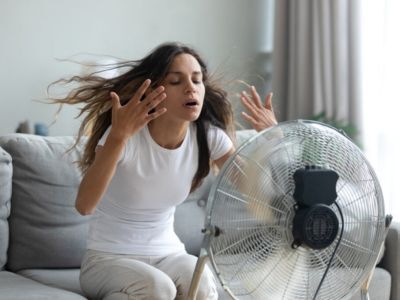 This symptom can be disguised by or attributed to the heat outside. Sometimes when it is exceptionally warm, an air conditioner may have trouble keeping the home at optimal temperature. Still, it should not be hot in the home, no matter the temperatures outside. If an air conditioning unit is having significant trouble keeping the home at a comfortable temperature, there may be a need for air conditioning replacement. Even if the whole unit does not need to be replaced, several things could be wrong.
 Another indicator of a problem with the unit is when it starts making
 )
 To determine the total amps required to safely power your home, you’ll first need to figure out the total wattage needs of all your appliances and electronics. Once you have this information, you can utilize a Wattage/Amps calculator, which will help you determine the required amp capacity.
 Yes, when upgrading an electrical panel, it is important to ensure it meets all current safety standards and codes. This includes ensuring the panel is properly grounded, the wiring is up to code, and the circuit breakers are the correct size and type.
 There are several benefits associated with upgrading your electrical panel. These include:
)