 Professional
 Experienced
 Trusted

Is Your Home's Electrical System Trying To Tell You Something?
Your house talks. Not in words, obviously. That would be concerning for entirely different reasons. But it communicates constantly through small, easy-to-dismiss signs that most homeowners notice and then promptly forget about.
Until November hits. Until you’re running space heaters, turning on lights at 4:30 in the afternoon, and pulling out holiday decorations. That’s when your electrical system stops politely hinting and starts insisting you pay attention.
We’ve spent decades translating what houses are trying to say. Here are seven things your home has probably been telling you, and what they actually mean.
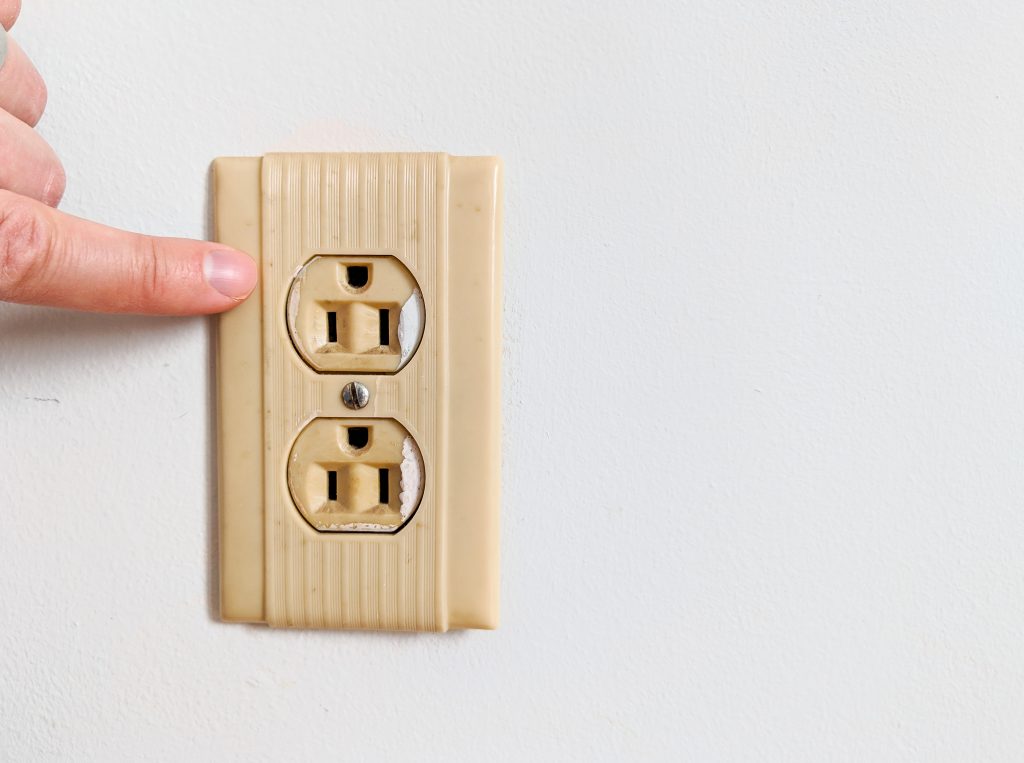
“This Outlet Feels Warm”
What you notice: An outlet that’s slightly warm to the touch, especially when something’s plugged in.
What it actually means: Electrical resistance is creating heat where it shouldn’t exist. This typically indicates a loose connection, a deteriorating outlet, or wiring that’s not making proper contact.
Electricity wants to flow smoothly. When connections degrade over time (and they all do), electricity has to work harder to get through. That extra work creates heat. A warm outlet isn’t working harder because of ambition. It’s working harder because something is failing.
That outlet that feels slightly warm in July when you’re charging your phone? In November, when you’re running a space heater through it, that warmth can become actual heat. The kind that smells like burning plastic.
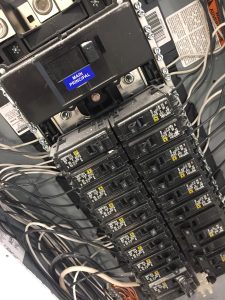
“This Breaker Trips When You Use the Microwave and The Coffee Maker at the Same Time”
What you notice: A specific breaker that’s touchy. It trips when you run two appliances simultaneously, or when you vacuum a certain room, or seemingly at random.
What it actually means: You’re either overloading that circuit, or the breaker itself is wearing out, or both.
Circuit breakers aren’t immortal. They’re mechanical devices with springs and contacts that wear down over time. A breaker that trips at 15 amps when it’s rated for 20 amps isn’t being cautious. It’s failing.
The other possibility is that your circuit is legitimately overloaded. Your house was wired for the electrical demands of whenever it was built. Your current life, with its phone chargers, laptops, instant pots, and streaming devices, may be asking for more than that circuit was designed to give.

“This Light Flickers, But Only Sometimes”
What you notice: A light that flickers occasionally, or dims when you turn on another appliance, or just seems less bright than it used to be.
What it actually means: Somewhere between the panel and that light, there’s a connection that’s not solid.
Flickering is your electrical system’s way of saying “I’m losing my grip here.” It could be a loose wire in the fixture itself, a failing switch, a poor connection in the junction box, or a problem at the panel. The intermittent nature makes it easy to ignore. It’s not broken, it’s just quirky, right?
But intermittent problems don’t stay intermittent. Loose connections create heat. Heat creates more resistance. More resistance creates more heat. It’s a cycle that ends with either a complete failure or, in worst cases, an electrical fire.
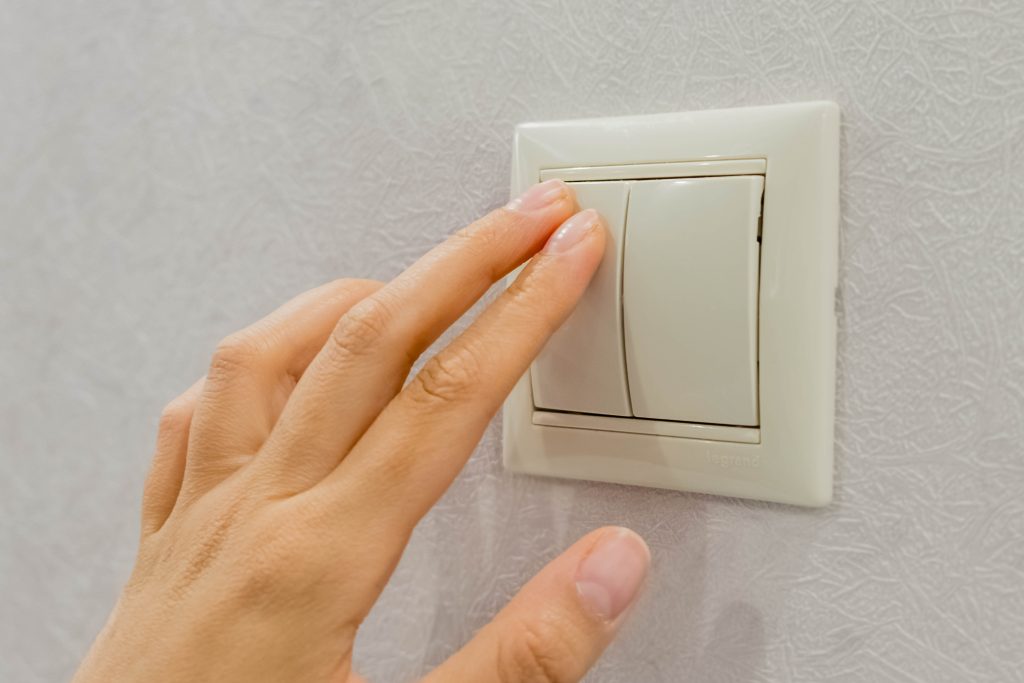
“This Switch Takes Two Tries To Work”
What you notice: A light switch that doesn’t always work on the first flip. You flip it once, nothing. Flip it again, and the light comes on.
What it actually means: The switch contacts are worn, corroded, or loose.
Inside every light switch are metal contacts that make and break the electrical connection. Over thousands of cycles, these contacts wear down. Eventually, they don’t make solid contact when you flip the switch. Electricity is arcing across a gap, trying to complete the circuit. That arcing creates heat and further degrades the contacts.
A switch that takes two tries today might take five tries next month, or might stop working entirely when your house is pulling maximum load.
“The Lights Dim When The AC Kicks On”
What you notice: Every time your air conditioner, furnace, or another large appliance starts up, the lights briefly dim.
What it actually means: Your electrical service is undersized for your home’s current demands, or there’s a problem with your main panel connections.
Large appliances draw significant power when they start. In a properly sized electrical system with good connections, you shouldn’t notice this. If you do, it means your system is straining.
This is especially common in older homes that have added electrical demands over the years without upgrading the service. Your house might have 100-amp service trying to support a lifestyle that really needs 200 amps. It works, technically, but it works at the edge of its capacity.

“There’s A Burning Smell, But You Can’t Find The Source”
What you notice: An occasional electrical or plastic burning smell that you can’t quite locate. It comes and goes.
What it actually means: Stop reading and call an electrician. Today.
This isn’t a subtle warning sign. This is your house actively overheating somewhere. It could be an overloaded circuit, a failing outlet, a loose connection in the panel, or deteriorating wiring inside the walls.
The fact that you can’t locate it makes it more concerning, not less. It means the problem is hidden, inside a wall, in the attic, behind the panel. And if you’re smelling it, it’s already producing enough heat to melt insulation.
“Your Panel Makes A Buzzing Or Humming Sound”
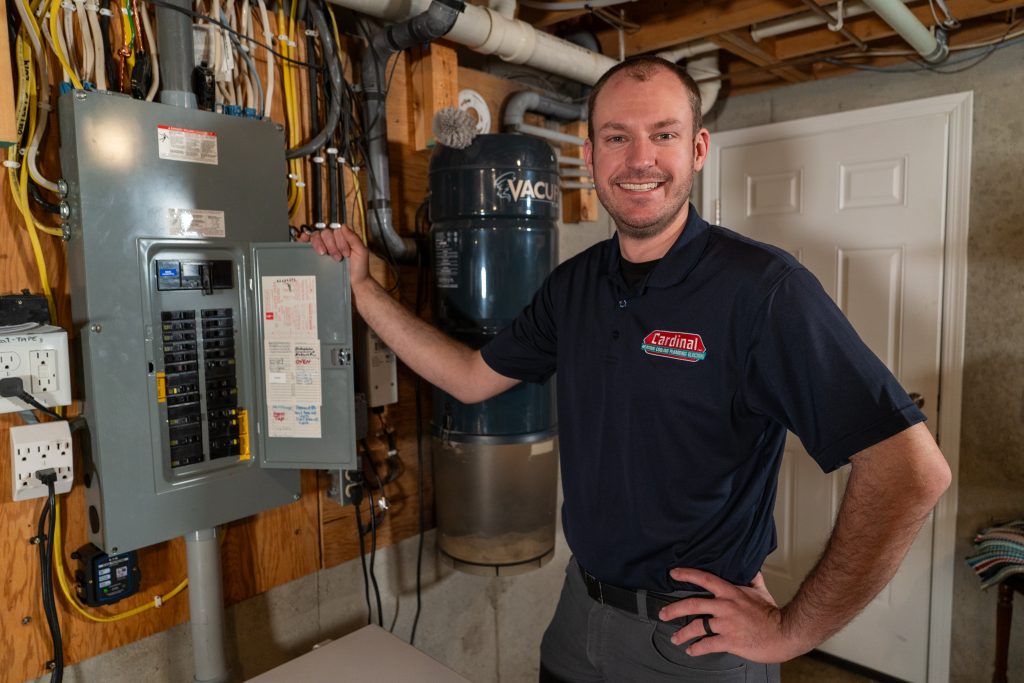
What you notice: Your electrical panel produces a faint buzzing, humming, or sizzling sound. Maybe you only hear it when you’re standing right next to it.
What it actually means: Something inside the panel is loose, failing, or overloaded.
Electrical panels should be essentially silent. A humming or buzzing sound indicates electrical arcing, a loose connection, or a failing breaker. These sounds mean electricity is jumping across gaps it shouldn’t be jumping across, or connections are vibrating under load.
This is particularly dangerous because the panel is the heart of your electrical system. A problem here isn’t isolated to one room or one circuit. It affects your entire home.
Why November Makes Everything Worse
Your electrical system has been compensating all year. That loose outlet connection still works, barely. That worn breaker still holds, mostly. That undersized circuit still delivers power, just enough.
Then November arrives. Darkness at 4:30 PM means every light in the house is on for hours. Space heaters come out. Holiday decorations go up. You’re asking your electrical system to deliver maximum power, for maximum duration, right when it’s at its weakest.
The signs you’ve been noticing all year? They’re about to become problems you can’t ignore.
What To Do About It
If you’ve recognized your house in any of these descriptions, you’re not being paranoid. You’re being observant. These signs don’t get better on their own. They get worse, usually at the least convenient moment possible.
A whole-home electrical inspection tells you exactly what your house has been trying to say. An electrician will check every outlet, every switch, every circuit, and every connection in your panel. You’ll get a detailed report with photos, plain-English explanations, and prioritized recommendations. Not guesses. Not maybes. Actual answers.
We’ll translate what your house has been trying to tell you before November’s electrical demands turn whispers into emergencies. Because the only good emergency is the one that never happens.