Schedule Service

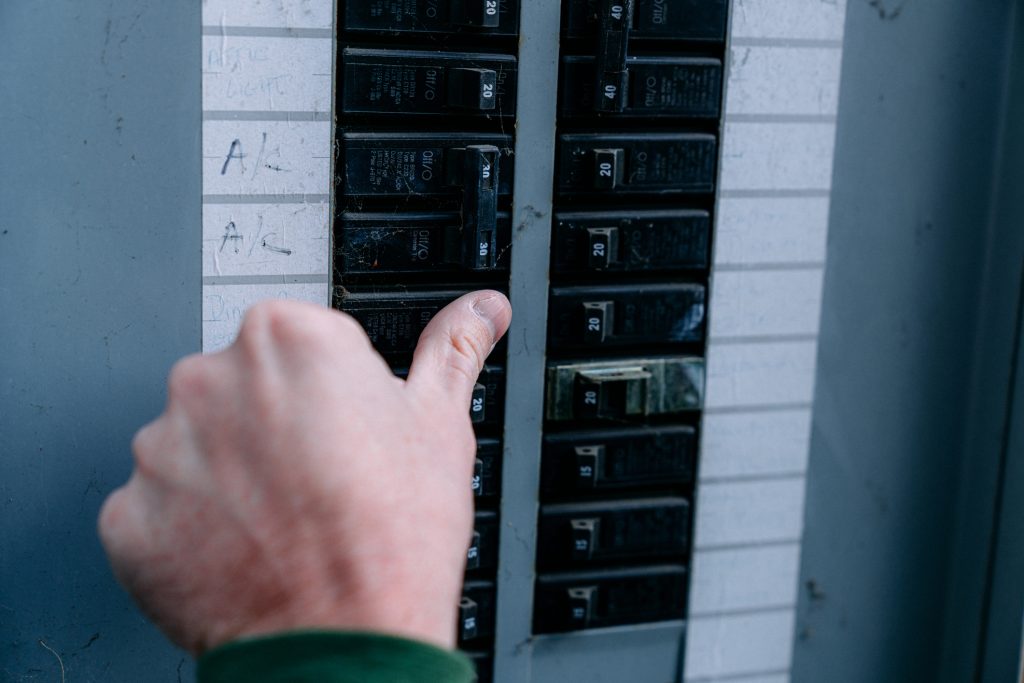
You have reset that same breaker three times this month. 

Maybe it is the kitchen. Maybe it is the home office. Either way, you flip it back on, get on with your day, and file it away under, “I will deal with that later.” 

But here is the thing about later. 

Later usually shows up at the worst possible time. 

In many Sun Prairie and Dane County homes, the electrical panel behind that gray metal door is working much harder than it was ever designed to. 

Built for a Different Version of Life

If your home was built in the 1990s or early 2000s, it was likely installed with 100 amp or 125 amp service. 

At the time, that made perfect sense. 

One television. A desktop computer. Standard kitchen appliances. No electric vehicle charger in the garage. No heat pump running year round. No remote work setup pulling steady power all day. 

That world does not exist anymore. 

Today many households are running: 

  • Multiple streaming devices 
  • Work from home equipment 
  • Smart thermostats and security systems 
  • Garage freezers 
  • Electric vehicle chargers 
  • High efficiency heating and cooling systems 

All of it flows through one place: your electrical panel. 

If that panel is undersized, full, or aging, it starts showing up in small ways such as dimming lights, warm breaker panels, or circuits that trip when the microwave and coffee maker run together. 

They feel minor. 

Until they are not. 

When Breakers Keep Tripping, It Is a Signal

A breaker tripping occasionally is normal. It is doing its job. 

A breaker that trips regularly is telling you something. 

Your system is being pushed to its limit. 

Most modern homes benefit from 200 amp service. Many homes built 25 to 30 years ago still operate on 100 amp panels. That difference matters, especially as electrical demand increases. 

It matters even more if you are thinking about: 

  • Installing a Level 2 EV charger, which often requires a 40 to 60 amp dedicated circuit 
  • Adding a heat pump 
  • Finishing a basement 
  • Upgrading major appliances 
  • Adding a hot tub or workshop equipment 

Before any of those projects move forward, a licensed electrician performs a load calculation to determine whether your current service can safely handle the demand. 

In many older Dane County homes, the answer is no. 

That is when an electrical panel upgrade becomes the smart next step. Not because something failed, but because your home has outgrown its original design. 

Is an Older Electrical Panel a Safety Concern?

Electrical systems are designed with limits. 

When a panel is undersized for modern demand or no longer aligned with current code standards, those limits get tested more often. 

Older panels often lack the capacity and protective features common in newer installations. As electrical loads increase with EV chargers, heat pumps, and additional circuits, strain on the system increases as well. 

Upgrading your panel is not about aesthetics or convenience. It is about ensuring your home’s electrical backbone is properly sized, properly protected, and installed to today’s safety standards. 

For families like yours who value long term reliability and peace of mind, that foundation matters. 

What Changes After a 200 Amp Panel Upgrade?

Homeowners usually describe the difference in practical terms. 

The breakers stop tripping. 

The lights stop flickering when the air conditioner starts. 

There is room in the panel for future projects instead of that crowded feeling when every slot is full. 

There is also something less visible. The sense that the electrical backbone of your house finally matches the life happening inside it. 

Across Sun Prairie and throughout Dane County, many subdivisions built in the 1990s are reaching the point where this upgrade simply makes sense. 

It is infrastructure that feels like freedom once it is done. 

How Do You Know If It Is Time for an Electrical Panel Upgrade?

It may be time to schedule an assessment if: 

  • Breakers trip more than occasionally 
  • Lights dim when larger appliances turn on 
  • Your panel is full with no room for new circuits 
  • Your home still has 100 amp service 
  • You are planning to install an EV charger 
  • You are considering a heat pump or major remodel 

An assessment gives you clarity. 

Clarity is always better than guessing. 

Save $500 on an Electrical Panel Upgrade Before April 3

If an upgrade has been sitting on your to do list, this is a practical time to act. 

Through April 3, 2026, Cardinal is offering 500 dollars off an electrical panel upgrade for homeowners in Sun Prairie and across Dane County. 

Most panel upgrades: 

  • Are completed in about one day 
  • Include a full system evaluation and load calculation 
  • Bring your service up to current code standards 
  • Restore power safely the same day 

We have been serving Dane County homeowners since 1984. Our electricians are licensed, experienced, and focused on doing the job right. We explain what we see, outline your options clearly, and never rush the work. 

No scare tactics. No pressure. Just straightforward recommendations based on your home and your plans. 

If your breakers have been trying to get your attention, it may be time to listen. 

Call (608) 470-3876 or click on this link to schedule your electrical panel assessment and secure your 500 dollar savings before April 3. 
Schedule Service

Why the Best Time to Install a Home Generator Is Before You Need One

There’s a particular kind of satisfaction that comes from being prepared for something before it happens. Not in a doomsday prepper way, but in the same way you feel good about having a spare tire in your trunk or a well-stocked first aid kit in your bathroom cabinet. 

You hope you never need it. But if you do, you’re glad it’s there. 

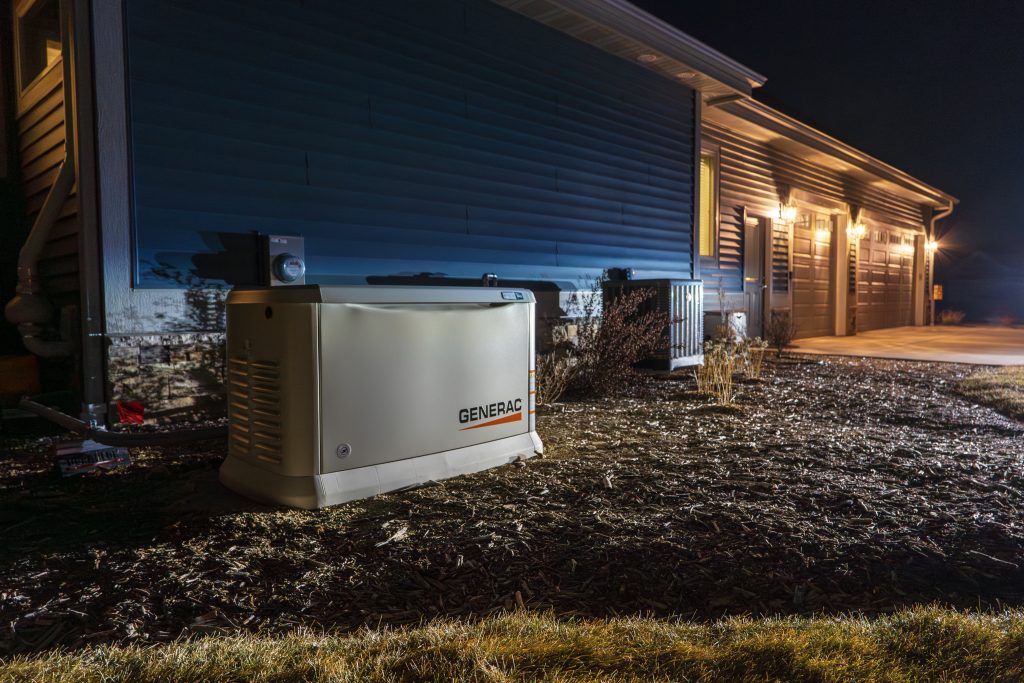
Home generators fall into that category. Most days, they sit quietly beside your house, running their weekly self-test and waiting. But when a storm knocks out power for your neighborhood, they become the difference between a minor inconvenience and a major disruption. 

The interesting thing is that almost everyone who owns a generator says the same thing: “I wish I’d done this sooner.” Not because they experienced some catastrophe that forced their hand, but because once you have one, you realize how much mental space you’d been giving to that low-level worry about the next outage. 

This is about understanding why people who think ahead choose to install generators during calm periods, what actually goes into the decision, and how the technology works in practice. 

The Advantage of Planning Ahead

Here’s what most people don’t realize about generator installation: the decision you make when things are calm is fundamentally different from the decision you make during an emergency. 

When the power’s been out for a day and your basement’s getting damp because the sump pump isn’t running, you’re not really evaluating options. You’re trying to solve an urgent problem. You need a solution now, which means you’re working with whoever’s available, whatever they can install quickly, and at whatever price the market will bear during high demand. 

Compare that to planning ahead. 

When you call during a quiet period, you have time to understand your options. You can think through what matters most to your household. You can ask questions about sizing, fuel types, and what different systems actually do. You’re making a decision based on what your home needs, not based on how quickly someone can get to your house. 

The installation happens on your timeline. The price reflects normal market conditions, and you might even catch seasonal promotions that aren’t available during peak demand. And you have weeks or months to test the system and understand how it operates before you’re actually depending on it. 

When to Install: Understanding Wisconsin's Storm Seasons

  • There’s a reason smart homeowners don’t wait for storm season to think about backup power. 

Spring storms in Wisconsin typically ramp up in March and run through May. That’s when ice storms, severe thunderstorms, and high winds create the highest risk for extended power outages. Summer brings intense thunderstorms. Fall can deliver early ice and snow. Winter? Well, you know what winter brings. 

The pattern is predictable. The timing of your decision shouldn’t depend on which season just reminds you why generators exist. 

Here’s what installing during a calm period gives you: 

  • Time to Test Your System: Your generator gets installed and you have time to run test cycles, understand how it operates, and make sure everything’s dialed in perfectly before you actually need it. No surprises when it matters most.
 
  • Better Availability: Before storm season hits and emergency calls start flooding in, installers typically have more availability. Get ahead of that curve.
 
  • Clear-Headed Decision Making: When you’re not scrambling, you can take time to understand your options, ask the right questions, and make sure you’re getting exactly what your home needs.
 
  • Installation Timing: Weather cooperation matters for outdoor electrical work. Planning ahead means you’re not rushing an installation between storms or waiting weeks for conditions to improve. 

What Homeowners Tell Us After Installation

We’ve installed hundreds of generators over the years, and the feedback is remarkably consistent. 

The people who call us during an outage usually start with some version of “I’ve been meaning to do this for years.” They’re not panicking, necessarily, but they’re definitely motivated by immediate circumstances. The conversation is usually about how quickly we can help them. 

The people who call us when things are calm tend to be more methodical. They want to understand how the system works, what size makes sense for their home, and what the long-term maintenance looks like. They’re thinking it through rather than reacting to it. 

Six months later, both groups typically say the same thing: “I’m glad I finally did this.” But the people who planned ahead also tend to add: “I wish I’d done it sooner.” Not because they had a crisis that would have been avoided, but because they realized how much more comfortable they feel knowing it’s handled. 

There’s something to be said for crossing a worry off your list before it becomes urgent. 

How a Generac Generator Actually Works (It's Simpler Than You Think)

If you’re picturing yourself rushing outside in a storm to fire up a loud, portable generator and run extension cords through your windows, that’s not what we’re talking about here. 

A Generac whole-home standby generator is a completely different experience. Here’s what actually happens: 

  1. The Power Goes Out: Whether it’s 2 AM or 2 PM, winter or summer, your generator is monitoring your home’s electrical supply 24/7. 
  1. Your Generator Responds Automatically: Within seconds of detecting the outage, your Generac starts itself, runs through a quick safety check, and switches your home over to generator power. You don’t have to do anything. You don’t have to be home. You don’t even have to be awake. 
  1. Life Continues Normally: Your furnace keeps running. Your refrigerator stays cold. Your lights work. Your wifi stays on. Your sump pump (if you have one) keeps your basement dry. For all practical purposes, your house doesn’t know there’s an outage happening. 
  1. When Power Returns, It Switches Back: Once utility power is restored, your generator runs for a few more minutes to verify utility power is stable and then switches over to utility power. At this time the generator will run for a few more minutes to cool down and then turn off. The entire process is automatic, seamless, and requires zero intervention from you.  

That’s the whole point of a standby generator: you shouldn’t have to think about it. It should just work. 

Choosing the Right Size: What You Need to Know

Not all generators are created equal, and the “right” size depends entirely on your home and how you live in it. 

What affects generator sizing: 

  • Square footage and layout: Larger homes need more power, but layout matters too. A2,000 square foot ranch can have different needs than a 2,000 square foot two-story.  
  • Essential systems: Central air conditioning is a major power draw. So are well pumps, septic systems, and sump pumps. If you have medical equipment that requires power, that’s obviously non-negotiable. 
  • How you want to live during an outage: Some people just want the essentials: furnace, fridge, lights, some outlets. Others want life to continue exactly as normal, including running the dryer, cooking on an electric range, and keeping every room comfortable. 

Common generator sizes for Wisconsin homes: 

  • 7-10kW: Small homes or essential circuits only (furnace, fridge, lights, well pump) 
  • 14-20kW: Medium homes with moderate comfort expectations 
  • 22-26kW: Larger homes or full-comfort setups including central AC 
  • 30kW+: Very large homes or those with high power demands 

The right size isn’t about getting the biggest generator you can afford. It’s about matching your actual needs to the most efficient, reliable solution. Oversizing wastes money on fuel and maintenance. Undersizing means you’re making compromises you might not be comfortable with. 

A proper assessment looks at your electrical panel, measures your typical power draw, identifies which circuits are critical, and helps you understand the tradeoffs between different approaches. 

Natural Gas vs. Propane: Understanding Your Fuel Options

One of the first questions people ask is what powers the generator. The answer depends on what’s available at your property. 

Natural Gas Generators: 

If your home has natural gas service (common in most of Dane County), this is usually the simplest option. The generator connects directly to your gas line, which means you never have to worry about refueling. As long as the gas utility is functioning (which it almost always is during power outages), your generator can run indefinitely. 

The advantage is convenience. There’s no fuel tank to monitor, no delivery to schedule, no gauge to check. It just works. 

Propane Generators: 

If you’re outside natural gas service areas or prefer propane for other reasons, this is an equally reliable option. Your generator connects to a propane tank on your property, usually either a 500-gallon or 1,000-gallon tank depending on your generator size and how much runtime you want to ensure. 

Propane burns cleaner than natural gas and provides slightly more power per cubic foot. It also stores indefinitely without degrading, which makes it ideal for backup power applications. 

The consideration with propane is tank management. You’ll want to keep your tank reasonably full so you’re not worried about fuel levels during an extended outage. Most propane customers schedule regular deliveries or monitor their tank levels and call for fills as needed. 

Which one is right for you?

If you have natural gas: That’s usually the path of least resistance. If you don’t have natural gas: Propane works just as well. If you have both: Talk through the pros and cons with your installer based on your specific situation. 

The fuel source doesn’t make one generator “better” than another. It’s about what works best for your property and how you want to manage the system long-term. 

The Financial Reality: This Actually Saves You Money

We get it: a generator is an investment. But let’s talk about the actual math here. 

What an extended outage costs you without a generator: 

  • Spoiled food from refrigerator and freezer: $300-800 depending on what you had stocked 
  • Hotel costs if your home becomes unlivable: $150-300 per night for a family 
  • Potential basement flooding from failed sump pump: $3,000-15,000 in water damage 
  • Emergency service calls for HVAC or plumbing issues caused by frozen pipes: $500-2,000 
  • Lost productivity if you work from home: Depends on your income, but it adds up quickly 

What a generator protects: 

Everything listed above, plus your peace of mind, your family’s comfort, and your ability to stay in your own home no matter what’s happening on the grid. 

When you look at it that way, the question isn’t whether you can afford a generator. The question is whether you can afford not to have one the next time the power goes out for more than a few hours. 

Most customers find that financing options make the monthly investment very manageable, especially when balanced against the cost of even a single multi-day outage. 

Here’s what you should know about working with us on your generator installation: 

We’ve been serving Dane County since 1984. We’ve seen every type of outage, every make and model of generator, and every possible installation scenario. When we recommend a system size and setup, it’s based on actual experience with homes like yours. 

We’re a Generac authorized dealer, which means our technicians are trained and certified specifically on the equipment we’re installing in your home. You’re not getting a general contractor who watched a YouTube video. You’re getting specialists who do this work every single day. 

We handle the entire process from start to finish. We’ll assess your home’s electrical needs, help you choose the right generator size, handle all the permitting and inspection requirements, coordinate the installation, handle all the gas piping and coordination with upsizing your gas meter as well as teach you everything you need to know about your new system. You’re not managing contractors or chasing down paperwork. We take care of it.  

And after installation? We’re still here. Generators need annual maintenance just like your furnace or air conditioner. We’ll keep your system running at peak performance so it’s ready when you need it. 

Generator Maintenance: What to Expect

A standby generator is like any other piece of mechanical equipment on your property. It needs regular care to stay reliable. 

What annual maintenance includes: 

  • Oil and filter change 
  • Air filter inspection and replacement 
  • Spark plug check and replacement as needed 
  • Battery test and terminal cleaning 
  • Load bank testing to verify the generator can handle your home’s power needs 
  • Visual inspection of all connections and hoses 
  • Software updates if available 

Why maintenance matters: 

Your generator might sit idle for months between uses. That bi-weekly self-test cycle keeps things moving, but it’s not the same as a full-load run during an actual outage. Annual maintenance ensures that when the power goes out at 2 AM in January, your generator doesn’t hesitate. 

The investment in annual maintenance is significantly less than dealing with a generator failure during an extended outage. And it keeps your warranty valid. 

Here's What Happens Next

If you’re interested in learning more about what a generator would look like for your home, here’s how the process typically works: 

Step 1: Schedule Your Free Consultation 

Call us or fill out the form on our website. We’ll set up a time to visit your home, assess your electrical panel and space requirements, and talk through your specific needs. No pressure, no obligation. Just honest information so you can make an informed decision. 

Step 2: Get Your Customized Proposal 

Based on our assessment, we’ll provide a detailed proposal showing exactly what system we recommend for your home, what the installation will involve, and what your total investment looks like. We’ll also walk through financing options if you’d prefer to spread payments out over time, and let you know about any current promotions or incentives. 

Step 3: Schedule Your Installation 

Once you give us the green light, we’ll get you on the schedule. Most installations take one to two days depending on your specific setup. We handle all the permits and coordinate any necessary inspections. 

Step 4: Test Your System and Sleep Better 

After installation, we’ll walk you through exactly how your new generator operates, run test cycles to ensure everything’s working perfectly, and answer any questions you have. Then you get to experience the peace of mind that comes with knowing your home is protected no matter what happens on the grid. 

Making the Decision

Most people who install generators don’t do it because they had a terrible experience during an outage. They do it because they’ve had enough moderate experiences to recognize the pattern, and they’d rather address it proactively than reactively. 

It’s similar to why people get their furnaces serviced before winter or replace a water heater that’s showing signs of age rather than waiting for it to fail. You’re not catastrophizing. You’re just recognizing that certain problems are easier to solve before they become urgent. 

When the next outage happens (and in Wisconsin, it will happen), you’ll either have a system in place that handles it automatically, or you’ll be figuring it out in real time. Both approaches work. One just requires less active management when the moment arrives. 

If you’re the type of person who prefers to have things handled before they need handling, a generator consultation is worth your time. If you’re comfortable managing outages as they come, that’s a perfectly reasonable choice too. 

The question is just which approach fits how you prefer to run your household. 

Ready to protect your home from the next outage? Schedule your free generator consultation today. 

Schedule Service

You’ve probably wondered if those power strips you’ve plugged in around your home are actually doing what you think they’re doing. 

It’s a fair question. You’ve been diligent about protecting your TV, your computer, maybe your router. But in the back of your mind, there’s this nagging thought: 

Is this actually enough?

Here’s the truth: those power strips are like putting a good lock on your front door while leaving the windows open. They’re doing something, just not enough. 

This isn’t about catastrophic lightning strikes or rare events. It’s about the everyday electrical activity happening in your home that you can’t see, and how it quietly shortens the life of everything plugged into your walls. 

This article will explain what whole-home surge protection actually is, how it works, and why it makes sense for homes like yours. No scare tactics. Just clarity. 

What Whole-Home Surge Protection Is (Plain English)

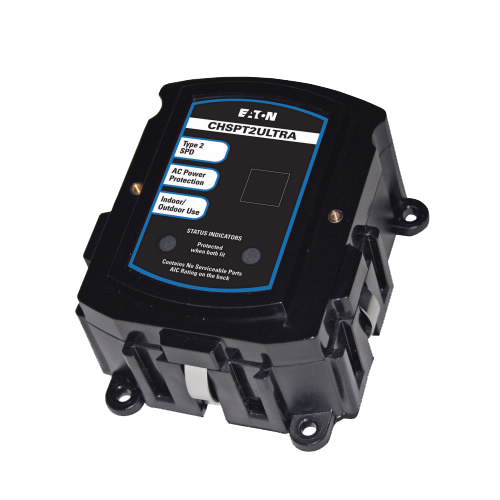
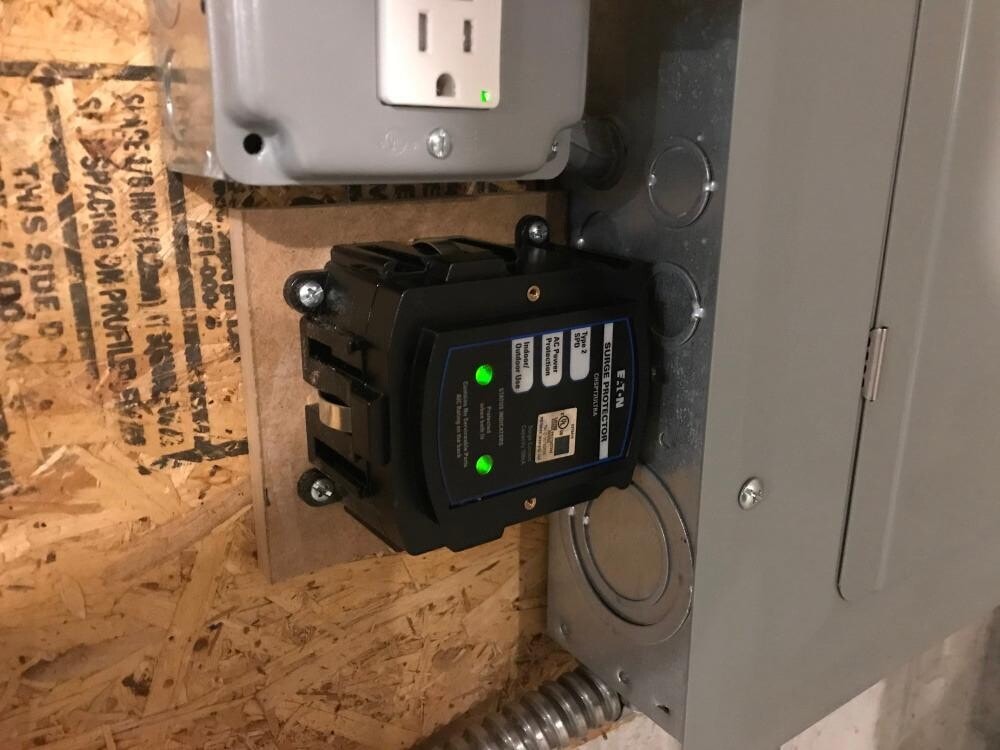
Whole-home surge protection is a device installed at your electrical panel that monitors and controls the voltage entering your home. 

Think of your electrical panel as the front door to your house. Right now, everything coming through that door — good or bad — flows straight to every outlet and appliance inside. A whole-home surge protector is like posting a bouncer at that door. It checks the voltage coming in, and when something’s off, it stops the problem before it gets inside. 

It installs directly into or next to your main electrical panel. The work takes a licensed electrician about one to two hours, depending on your setup. Once it’s in, it’s working 24/7, without you having to think about it. 

No dashboards. No settings. It just does its job. 

What It Protects (And Why That Matters)

Whole-home surge protection covers everything connected to your electrical system: 

  • Furnace and air conditioner 
  • Refrigerator and microwave 
  • Washer, dryer, and water heater 
  • TVs, gaming systems, computers, and Wi‑Fi equipment 
  • Garage door openers, doorbell cameras, and smart home devices 

Modern homes are full of sensitive electronics. Even appliances you think of as “just appliances” now rely on circuit boards and digital controls. 

Whole-home surge protection means you’re protecting all of it at once, instead of trying to guess which outlets deserve a power strip. 

Why Power Strips Feel Helpful — But Aren't Enough

Power strips with surge protection aren’t useless. They do provide a layer of protection for the devices plugged into them, and that’s better than nothing. 

But they have real limitations: 

  • They only protect what’s plugged into them 
  • Hardwired systems like HVAC and refrigerators get no protection 
  • They wear out quietly, often without warning 

And here’s the part most homeowners don’t realize: 

They can’t stop surges that originate inside your home. 

Imagine trying to protect your house from a flood by putting sandbags around individual pieces of furniture. Thoughtful, but the water’s already inside. 

Power strips are fine for what they are. They’re just not designed to handle the whole picture. 

The Real Problem Isn't Big Surges — It's the Small Ones

When most people think about surges, they picture lightning strikes or transformers blowing. Those things happen, but they’re rare. 

The bigger issue is micro‑surges: small, repeated voltage spikes that happen dozens of times a day as appliances cycle on and off. 

Each one is tiny. You never notice it. But over months and years, they wear down the sensitive components inside your electronics. 

Think of it like sun exposure. One sunburn probably won’t cause lasting damage. But years without protection will. 

That’s why: 

  • TVs fail earlier than expected 
  • Touchpads stop responding 
  • HVAC control boards burn out prematurely 

It’s not bad luck. It’s cumulative electrical stress, and whole-home surge protection stops it at the source. 

How Whole-Home Surge Protection Works (Step by Step)

Installation 

A licensed electrician installs the device at your electrical panel. Power may be briefly shut off. Most installs take about two hours. 

Monitoring 

The system constantly watches the voltage entering your home. 

Response 

When voltage rises above safe levels, from the grid or from appliances inside your home, the system reacts instantly. 

Protection 

Excess energy is safely redirected into the ground before it reaches your outlets. 

You never see it working. That’s the point. 

Do You Need It? A Quick Self‑Check

Ask yourself: 

  • Do you have electronics you’d hate to replace early? 
  • Is your home more than 10–15 years old? 
  • Do lights flicker when major appliances turn on? 
  • Would a $1,000 surprise repair be disruptive? 

If a few of these hit close to home, that’s usually a sign it’s worth having a professional take a look, just to be sure. 

Why This Is Especially Relevant After the Holidays 

If you added new electronics recently like TVs, gaming systems, smart appliances, you’ve increased what’s at stake. 

In many Wisconsin homes, especially those built before today’s tech‑heavy lifestyles, electrical systems were never designed for this level of constant demand. 

You’ve already made the investment. This just makes sure it lasts. 

What a Professional Assessment Adds (Without Pressure)

You can research surge protection on your own. But there’s value in having an electrician who works in Dane County homes every day look at your system. 

At Cardinal, we offer a free electrical risk assessment: 

  • We evaluate your panel 
  • Identify potential risks 
  • Explain your options clearly 

No pressure. No upselling. Just information. 

And this January, we’re offering $50 off whole‑home surge protection installation, simply to make the decision easier if you’ve already been thinking about it. 

Frequently Asked Questions

Is whole‑home surge protection worth it? 

Yes. Replacing electronics early costs far more over time than protecting them upfront. 

Do newer homes need surge protection? 

Yes. Newer homes often have more sensitive electronics. 

Can I still use power strips? 

Absolutely. Whole‑home protection works with power strips as layered defense. 

Here is what your neighbors are saying 

Rebecca A. – Sun Prairie, WI 

Ryan did a great job on our electrical inspection. He was thorough and explained all of his findings to ensure that we understood. He also installed a new outlet and a whole home surge protector. I would definitely recommend Ryan and Cardinal for electrical repairs and service. 

Cheri K. – Verona, WI 

Justin did an excellent job inspecting our home electrical. He was friendly, knowledgeable and gave good recommendations. We purchased a whole house surge protector as a result of it. 

 Carl T. – Lodi, WI 

Cardinal electricians did a great job installing a whole house surge protector and a 220V line to our garage. Their team is always very professional, neat and efficient. 

How long does it last? 

Most systems last 5–10 years or longer. 

Does it protect against lightning? 

It significantly reduces risk, especially from everyday surges. No system guarantees protection from a direct strike. 


Conclusion

You were right to wonder if power strips were enough. 

Whole‑home surge protection isn’t about fear. It’s about being done thinking about this. It’s about protecting what you’ve invested in, and crossing one more thing off your mental checklist. 

You already carry enough as a homeowner. This is one thing you can take off your plate. 

Schedule a free electrical risk assessment with Cardinal. 

We’ll evaluate your system, answer your questions, and explain your options — no pressure, just clarity. 

This January only: Save $50 on whole‑home surge protection installation when you schedule your assessment. 

➡️ Schedule Your Free Assessment