
Schedule Service

Why Schedule Regular Furnace Maintenance?

When a furnace turns on and keeps the house warm, it’s easy to assume everything is working properly. However, some heating problems aren’t immediately noticeable, especially when the system hasn’t been inspected recently. Regular furnace maintenance and tune-ups can help identify potential issues before they cause unexpected breakdowns or safety concerns and keep the system more efficient and reliable.

Cardinal Heating, Cooling, Plumbing & Electric’s team frequently hears from people who believe their furnaces don’t need maintenance because they’re still working. However, conversations with customers and observations from Cardinal’s technicians show why waiting for something to break isn’t the best approach.

A Strange Furnace Smell Led One Customer to Schedule Maintenance

This month, a technician received a call from a woman who noticed an unusual smell when her heating equipment turned on. They asked when the customer had last changed her furnace filter and whether she’d had any maintenance performed. These questions helped the customer recognize that her heating system needed professional maintenance, even though it was still operating.

This experience highlights why unusual furnace odors shouldn’t be dismissed. Some odors may occur when a heating system first starts after sitting unused for a long time, but persistent or unfamiliar smells can indicate neglected maintenance or equipment problems. Scheduling furnace maintenance allows a technician to investigate the cause rather than waiting for the problem to worsen.

New Noises Can Be an Early Warning Sign

Unfamiliar furnace sounds are another concern technicians hear about. They’ve described customers reporting noises like popping from their furnaces. Some homeowners explain that they’ve never heard the sound before, but suddenly notice it each time the heating system kicks on.

These new furnace noises can be concerning because they may indicate changes in how the equipment operates. While some sounds are part of normal furnace operation, banging, popping, or other unusual noises need professional attention. A furnace that continues heating the home can still have developing mechanical or ignition-related problems. Rather than assuming the sound is harmless, homeowners should schedule a professional inspection.

Don’t Forget Furnace Filter Replacement

Technicians also shared that furnace filters deserve more attention than they often receive. Typically, air filters need replacing at least every three months, but this can depend on several factors, such as filter size and type. They shared that a one-inch filter, for example, will need to be changed more frequently. A technician also noted a time when they showed a client unexpected buildup in a furnace filter from their portable humidifiers and explained that the filter needed to be changed more often because of it.

Checking filters regularly and replacing them according to manufacturer recommendations can help prevent avoidable heating problems and improve indoor air quality. A clogged furnace filter can restrict airflow, reduce heating efficiency, and place additional strain on the system.

Even Older Furnaces Can Have Problems When They Still Heat

One of the most important points raised by Cardinal’s technician was that many homeowners skip or postpone maintenance because their furnaces seem to be running normally. They explained that customers sometimes decline a tune-up and inspection because they haven’t noticed any problems.

However, they described situations involving older heating equipment that seemed to be working fine where a technician eventually discovered a failed heat exchanger. A furnace heat exchanger separates combustion gases from the air circulating through the home. If it cracks or is otherwise damaged, it can create serious safety concerns.

The representative emphasized the importance of checking furnaces, even more so with ones that are 10 years old or older, before the heating season begins to avoid problems. Older equipment may continue producing heat despite developing problems that homeowners cannot easily identify. Arranging furnace maintenance before the cold winter weather arrives can help identify issues that might otherwise go unnoticed until the heating system experiences greater demand and helps the furnace operate more reliably and efficiently.

About Cardinal Heating, Cooling, Plumbing & Electric

Cardinal Heating, Cooling, Plumbing & Electric is a heating, air conditioning, plumbing, and electrical company serving Sun Prairie, WI, and surrounding Southern Wisconsin communities since 1984. They offer professional, background-checked technicians, fully stocked service vehicles, and fast service with one-day installation. Call them today for furnace maintenance services in Sun Prairie, WI.
Schedule Service

Why the Best Time to Install a Home Generator Is Before You Need One

There’s a particular kind of satisfaction that comes from being prepared for something before it happens. Not in a doomsday prepper way, but in the same way you feel good about having a spare tire in your trunk or a well-stocked first aid kit in your bathroom cabinet. 

You hope you never need it. But if you do, you’re glad it’s there. 

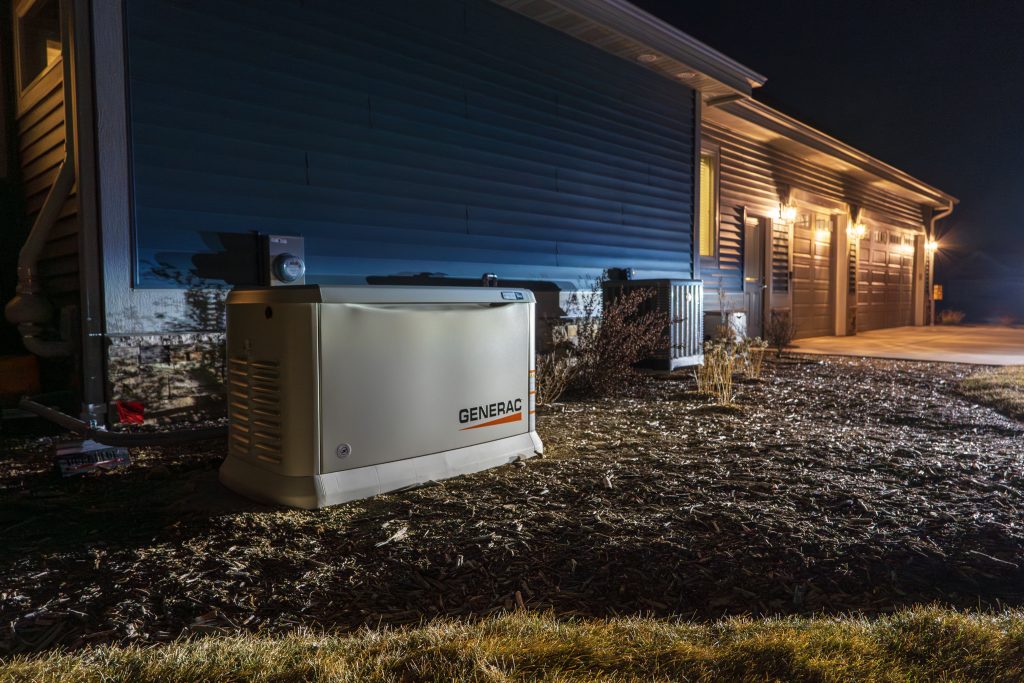
Home generators fall into that category. Most days, they sit quietly beside your house, running their weekly self-test and waiting. But when a storm knocks out power for your neighborhood, they become the difference between a minor inconvenience and a major disruption. 

The interesting thing is that almost everyone who owns a generator says the same thing: “I wish I’d done this sooner.” Not because they experienced some catastrophe that forced their hand, but because once you have one, you realize how much mental space you’d been giving to that low-level worry about the next outage. 

This is about understanding why people who think ahead choose to install generators during calm periods, what actually goes into the decision, and how the technology works in practice. 

The Advantage of Planning Ahead

Here’s what most people don’t realize about generator installation: the decision you make when things are calm is fundamentally different from the decision you make during an emergency. 

When the power’s been out for a day and your basement’s getting damp because the sump pump isn’t running, you’re not really evaluating options. You’re trying to solve an urgent problem. You need a solution now, which means you’re working with whoever’s available, whatever they can install quickly, and at whatever price the market will bear during high demand. 

Compare that to planning ahead. 

When you call during a quiet period, you have time to understand your options. You can think through what matters most to your household. You can ask questions about sizing, fuel types, and what different systems actually do. You’re making a decision based on what your home needs, not based on how quickly someone can get to your house. 

The installation happens on your timeline. The price reflects normal market conditions, and you might even catch seasonal promotions that aren’t available during peak demand. And you have weeks or months to test the system and understand how it operates before you’re actually depending on it. 

When to Install: Understanding Wisconsin's Storm Seasons

  • There’s a reason smart homeowners don’t wait for storm season to think about backup power. 

Spring storms in Wisconsin typically ramp up in March and run through May. That’s when ice storms, severe thunderstorms, and high winds create the highest risk for extended power outages. Summer brings intense thunderstorms. Fall can deliver early ice and snow. Winter? Well, you know what winter brings. 

The pattern is predictable. The timing of your decision shouldn’t depend on which season just reminds you why generators exist. 

Here’s what installing during a calm period gives you: 

  • Time to Test Your System: Your generator gets installed and you have time to run test cycles, understand how it operates, and make sure everything’s dialed in perfectly before you actually need it. No surprises when it matters most.
 
  • Better Availability: Before storm season hits and emergency calls start flooding in, installers typically have more availability. Get ahead of that curve.
 
  • Clear-Headed Decision Making: When you’re not scrambling, you can take time to understand your options, ask the right questions, and make sure you’re getting exactly what your home needs.
 
  • Installation Timing: Weather cooperation matters for outdoor electrical work. Planning ahead means you’re not rushing an installation between storms or waiting weeks for conditions to improve. 

What Homeowners Tell Us After Installation

We’ve installed hundreds of generators over the years, and the feedback is remarkably consistent. 

The people who call us during an outage usually start with some version of “I’ve been meaning to do this for years.” They’re not panicking, necessarily, but they’re definitely motivated by immediate circumstances. The conversation is usually about how quickly we can help them. 

The people who call us when things are calm tend to be more methodical. They want to understand how the system works, what size makes sense for their home, and what the long-term maintenance looks like. They’re thinking it through rather than reacting to it. 

Six months later, both groups typically say the same thing: “I’m glad I finally did this.” But the people who planned ahead also tend to add: “I wish I’d done it sooner.” Not because they had a crisis that would have been avoided, but because they realized how much more comfortable they feel knowing it’s handled. 

There’s something to be said for crossing a worry off your list before it becomes urgent. 

How a Generac Generator Actually Works (It's Simpler Than You Think)

If you’re picturing yourself rushing outside in a storm to fire up a loud, portable generator and run extension cords through your windows, that’s not what we’re talking about here. 

A Generac whole-home standby generator is a completely different experience. Here’s what actually happens: 

  1. The Power Goes Out: Whether it’s 2 AM or 2 PM, winter or summer, your generator is monitoring your home’s electrical supply 24/7. 
  1. Your Generator Responds Automatically: Within seconds of detecting the outage, your Generac starts itself, runs through a quick safety check, and switches your home over to generator power. You don’t have to do anything. You don’t have to be home. You don’t even have to be awake. 
  1. Life Continues Normally: Your furnace keeps running. Your refrigerator stays cold. Your lights work. Your wifi stays on. Your sump pump (if you have one) keeps your basement dry. For all practical purposes, your house doesn’t know there’s an outage happening. 
  1. When Power Returns, It Switches Back: Once utility power is restored, your generator runs for a few more minutes to verify utility power is stable and then switches over to utility power. At this time the generator will run for a few more minutes to cool down and then turn off. The entire process is automatic, seamless, and requires zero intervention from you.  

That’s the whole point of a standby generator: you shouldn’t have to think about it. It should just work. 

Choosing the Right Size: What You Need to Know

Not all generators are created equal, and the “right” size depends entirely on your home and how you live in it. 

What affects generator sizing: 

  • Square footage and layout: Larger homes need more power, but layout matters too. A2,000 square foot ranch can have different needs than a 2,000 square foot two-story.  
  • Essential systems: Central air conditioning is a major power draw. So are well pumps, septic systems, and sump pumps. If you have medical equipment that requires power, that’s obviously non-negotiable. 
  • How you want to live during an outage: Some people just want the essentials: furnace, fridge, lights, some outlets. Others want life to continue exactly as normal, including running the dryer, cooking on an electric range, and keeping every room comfortable. 

Common generator sizes for Wisconsin homes: 

  • 7-10kW: Small homes or essential circuits only (furnace, fridge, lights, well pump) 
  • 14-20kW: Medium homes with moderate comfort expectations 
  • 22-26kW: Larger homes or full-comfort setups including central AC 
  • 30kW+: Very large homes or those with high power demands 

The right size isn’t about getting the biggest generator you can afford. It’s about matching your actual needs to the most efficient, reliable solution. Oversizing wastes money on fuel and maintenance. Undersizing means you’re making compromises you might not be comfortable with. 

A proper assessment looks at your electrical panel, measures your typical power draw, identifies which circuits are critical, and helps you understand the tradeoffs between different approaches. 

Natural Gas vs. Propane: Understanding Your Fuel Options

One of the first questions people ask is what powers the generator. The answer depends on what’s available at your property. 

Natural Gas Generators: 

If your home has natural gas service (common in most of Dane County), this is usually the simplest option. The generator connects directly to your gas line, which means you never have to worry about refueling. As long as the gas utility is functioning (which it almost always is during power outages), your generator can run indefinitely. 

The advantage is convenience. There’s no fuel tank to monitor, no delivery to schedule, no gauge to check. It just works. 

Propane Generators: 

If you’re outside natural gas service areas or prefer propane for other reasons, this is an equally reliable option. Your generator connects to a propane tank on your property, usually either a 500-gallon or 1,000-gallon tank depending on your generator size and how much runtime you want to ensure. 

Propane burns cleaner than natural gas and provides slightly more power per cubic foot. It also stores indefinitely without degrading, which makes it ideal for backup power applications. 

The consideration with propane is tank management. You’ll want to keep your tank reasonably full so you’re not worried about fuel levels during an extended outage. Most propane customers schedule regular deliveries or monitor their tank levels and call for fills as needed. 

Which one is right for you?

If you have natural gas: That’s usually the path of least resistance. If you don’t have natural gas: Propane works just as well. If you have both: Talk through the pros and cons with your installer based on your specific situation. 

The fuel source doesn’t make one generator “better” than another. It’s about what works best for your property and how you want to manage the system long-term. 

The Financial Reality: This Actually Saves You Money

We get it: a generator is an investment. But let’s talk about the actual math here. 

What an extended outage costs you without a generator: 

  • Spoiled food from refrigerator and freezer: $300-800 depending on what you had stocked 
  • Hotel costs if your home becomes unlivable: $150-300 per night for a family 
  • Potential basement flooding from failed sump pump: $3,000-15,000 in water damage 
  • Emergency service calls for HVAC or plumbing issues caused by frozen pipes: $500-2,000 
  • Lost productivity if you work from home: Depends on your income, but it adds up quickly 

What a generator protects: 

Everything listed above, plus your peace of mind, your family’s comfort, and your ability to stay in your own home no matter what’s happening on the grid. 

When you look at it that way, the question isn’t whether you can afford a generator. The question is whether you can afford not to have one the next time the power goes out for more than a few hours. 

Most customers find that financing options make the monthly investment very manageable, especially when balanced against the cost of even a single multi-day outage. 

Here’s what you should know about working with us on your generator installation: 

We’ve been serving Dane County since 1984. We’ve seen every type of outage, every make and model of generator, and every possible installation scenario. When we recommend a system size and setup, it’s based on actual experience with homes like yours. 

We’re a Generac authorized dealer, which means our technicians are trained and certified specifically on the equipment we’re installing in your home. You’re not getting a general contractor who watched a YouTube video. You’re getting specialists who do this work every single day. 

We handle the entire process from start to finish. We’ll assess your home’s electrical needs, help you choose the right generator size, handle all the permitting and inspection requirements, coordinate the installation, handle all the gas piping and coordination with upsizing your gas meter as well as teach you everything you need to know about your new system. You’re not managing contractors or chasing down paperwork. We take care of it.  

And after installation? We’re still here. Generators need annual maintenance just like your furnace or air conditioner. We’ll keep your system running at peak performance so it’s ready when you need it. 

Generator Maintenance: What to Expect

A standby generator is like any other piece of mechanical equipment on your property. It needs regular care to stay reliable. 

What annual maintenance includes: 

  • Oil and filter change 
  • Air filter inspection and replacement 
  • Spark plug check and replacement as needed 
  • Battery test and terminal cleaning 
  • Load bank testing to verify the generator can handle your home’s power needs 
  • Visual inspection of all connections and hoses 
  • Software updates if available 

Why maintenance matters: 

Your generator might sit idle for months between uses. That bi-weekly self-test cycle keeps things moving, but it’s not the same as a full-load run during an actual outage. Annual maintenance ensures that when the power goes out at 2 AM in January, your generator doesn’t hesitate. 

The investment in annual maintenance is significantly less than dealing with a generator failure during an extended outage. And it keeps your warranty valid. 

Here's What Happens Next

If you’re interested in learning more about what a generator would look like for your home, here’s how the process typically works: 

Step 1: Schedule Your Free Consultation 

Call us or fill out the form on our website. We’ll set up a time to visit your home, assess your electrical panel and space requirements, and talk through your specific needs. No pressure, no obligation. Just honest information so you can make an informed decision. 

Step 2: Get Your Customized Proposal 

Based on our assessment, we’ll provide a detailed proposal showing exactly what system we recommend for your home, what the installation will involve, and what your total investment looks like. We’ll also walk through financing options if you’d prefer to spread payments out over time, and let you know about any current promotions or incentives. 

Step 3: Schedule Your Installation 

Once you give us the green light, we’ll get you on the schedule. Most installations take one to two days depending on your specific setup. We handle all the permits and coordinate any necessary inspections. 

Step 4: Test Your System and Sleep Better 

After installation, we’ll walk you through exactly how your new generator operates, run test cycles to ensure everything’s working perfectly, and answer any questions you have. Then you get to experience the peace of mind that comes with knowing your home is protected no matter what happens on the grid. 

Making the Decision

Most people who install generators don’t do it because they had a terrible experience during an outage. They do it because they’ve had enough moderate experiences to recognize the pattern, and they’d rather address it proactively than reactively. 

It’s similar to why people get their furnaces serviced before winter or replace a water heater that’s showing signs of age rather than waiting for it to fail. You’re not catastrophizing. You’re just recognizing that certain problems are easier to solve before they become urgent. 

When the next outage happens (and in Wisconsin, it will happen), you’ll either have a system in place that handles it automatically, or you’ll be figuring it out in real time. Both approaches work. One just requires less active management when the moment arrives. 

If you’re the type of person who prefers to have things handled before they need handling, a generator consultation is worth your time. If you’re comfortable managing outages as they come, that’s a perfectly reasonable choice too. 

The question is just which approach fits how you prefer to run your household. 

Ready to protect your home from the next outage? Schedule your free generator consultation today. 

Schedule Service

What's With the Water?

You’ve probably noticed it. That slightly metallic taste when you fill a glass from the tap. Or the faint chlorine smell when you’re washing vegetables. Nothing dramatic, just… there. 

So you started buying bottled water. A case here, a case there. It seemed like the reasonable solution. But now the cases are stacking up in the garage, you’re spending $50 to $100 every month, and there’s a persistent voice in your head asking if there’s a better way. 

There is. And it’s probably simpler than you think. 

What Reverse Osmosis Actually Does


A reverse osmosis system (usually shortened to “RO system”) does something straightforward: it filters your tap water to the same purity level as bottled water. 

The process uses a semi-permeable membrane that catches the things you can taste and smell (chlorine, minerals, sediment) while letting the water molecules pass through. The result is water that tastes clean, without any of the off-flavors that made you reach for bottles in the first place. 

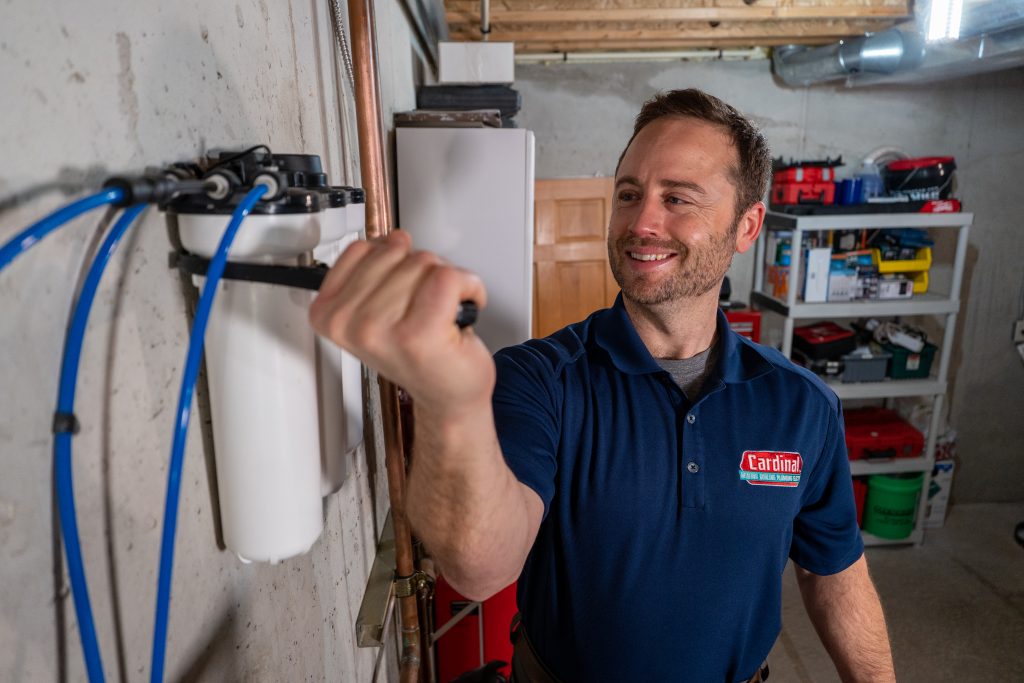
The system is usually installed under your kitchen sink, but it can be located in a basement or utility area if that works better for your home. It can feed water to a dedicated faucet on your counter, your refrigerator’s water dispenser, your ice maker, or all of the above. Turn on the faucet (or press the button on your fridge), and you get purified water on demand. That’s it. 

The Bottled Water Math

Let’s talk about what you’re actually spending on bottled water. 

If you’re buying bottled water regularly, the costs add up quickly. Those weekly trips to the store turn into a significant ongoing expense. 

An RO system produces purified water for pennies per gallon once it’s installed. The contrast is substantial. What you’re currently spending on bottles each month will cover the system installation over a short time, and then you’re just producing purified water indefinitely at a fraction of the cost. 

For a family that drinks, cooks with, and uses purified water daily, an RO system typically pays for itself within a year or two. After that, it’s just producing pure water for pennies per gallon, year after year. 

The other part of the equation is the hassle factor. No more cases to haul in from the car. No more running out at inconvenient times. No more figuring out where to store everything or taking bottles to recycling. 

Beyond Drinking Water

Here’s something that surprises most people when they first get an RO system: you start using it for everything that involves water. 

Coffee and tea taste noticeably better when you’re not starting with chlorinated tap water. The difference is especially obvious if you’re particular about your morning coffee. Using RO water also means no scale buildup in your coffee maker, which extends its life and reduces maintenance. 

Cooking water for pasta, rice, soup, anything that absorbs water as it cooks, benefits from starting with cleaner-tasting water. You’re not adding metallic or chemical flavors to your food. 

Ice cubes come out crystal clear instead of cloudy. If you’ve ever wondered why restaurant ice looks different from yours, it’s often because they’re using filtered water. 

Pet water bowls can be filled with the same quality water you’re drinking. If you wouldn’t drink it, why would you give it to your dog or cat? 

Washing produce under RO water means you’re not rinsing vegetables in the same water you were trying to avoid drinking. 

Bottled water only solves the drinking water part. An RO system handles all of it. 

What About the Environmental Side?

If you’re like most people, you’ve felt at least a twinge of guilt about the plastic bottles. The average family using bottled water exclusively goes through somewhere between 2,000 and 3,000 bottles per year. 

That’s not meant to make you feel bad. You were solving a real problem (water that didn’t taste great) with the most obvious solution (buying water that did). But once you have an RO system, that concern just goes away. No more plastic bottles to manage, recycle, or feel conflicted about. 

The practical benefit is that you’ve eliminated a recurring purchase and its associated waste. The environmental benefit is a bonus that comes along with the solution you needed anyway. 

How RO Compares to Other Filtration Options

You might be using a pitcher filter right now, or you’ve considered getting one. Pitcher filters do remove some things from water, primarily chlorine taste and odor. They’re inexpensive and better than nothing. 

But they have limitations. The filters need frequent replacement. They can’t remove dissolved solids or many other contaminants. And they only filter small amounts at a time, which means you’re constantly refilling and waiting. 

RO systems filter at a much higher level and produce larger quantities of purified water that stores in a small tank under your sink. When you need water, it’s there. No waiting, no planning ahead. 

The other common option is whole-home filtration systems. These filter all the water coming into your house, which is useful for protecting appliances and improving shower water. But they don’t achieve the same purity level as RO for drinking water. 

Many homeowners end up with both: whole-home filtration for general water quality throughout the house, and an RO system specifically for drinking and cooking water. But if you’re primarily concerned about what you’re drinking and cooking with, an under-sink RO system is the most direct solution. 

Installation and Maintenance

An RO system installation typically takes a few hours. A plumber connects the system to your cold water line, sets up the storage tank, and installs a dedicated faucet on your countertop or sink deck. If you want, the system can also feed your refrigerator’s water dispenser and ice maker. Once it’s in, it works automatically. 

Maintenance is minimal. The filters need changing every six to twelve months depending on your water usage and quality. 

The RO membrane itself typically lasts two to four years. Most people schedule annual service to handle filter changes and make sure everything’s working properly.  

You don’t need to do anything on a daily basis. The system automatically refills its storage tank as you use water, so there’s always purified water available when you turn on the faucet.

Frequently Asked Questions About RO Systems

“Will it remove healthy minerals from my water?” 

RO does remove minerals along with everything else. This is true. However, you get minerals primarily from food, not water. A balanced diet provides far more calcium, magnesium, and other minerals than drinking water ever could. 

“How do I know if I need one?” 

If you’re currently buying bottled water because you don’t like how your tap water tastes or smells, an RO system makes sense. If you’re spending a meaningful amount each month on bottled water, the economics work in your favor. If you care about water quality for cooking and not just drinking, RO covers more ground than bottled water ever could. 

“What’s involved in choosing a system?” 

Systems come in different sizes based on how much water your household uses daily. A family of four typically needs a larger capacity system than a couple or a single person. The main decision points are tank size and faucet style. 

A good installer will assess your water usage, look at your under-sink space, test your water quality if needed, and recommend a system that fits your situation. 

The Wisconsin Water Context

Wisconsin’s municipal water systems are generally safe and well-maintained. The water coming out of your tap meets federal safety standards. 

That said, Wisconsin has had its share of water quality concerns over the years. Milwaukee experienced a major cryptosporidium outbreak in 1993 that affected hundreds of thousands of people. More recently, communities across the state have dealt with PFAS contamination, lead pipe concerns, and agricultural runoff issues.  These events remind us that water quality isn’t something to take for granted, even in places with good infrastructure. 

Municipal water treatment does its job of making water safe to drink. But many homeowners prefer an extra layer of protection and better taste, which is where RO systems come in. 

But “safe” and “great tasting” aren’t the same thing. Municipal water treatment uses chlorine for disinfection, which you can often taste and smell. Depending on your local water source and the age of pipes in your neighborhood, you might also notice mineral content, metallic taste, or occasional sediment. 

None of this means your water is dangerous. It just means it might not taste the way you’d prefer. An RO system addresses the taste and clarity issues while maintaining the safety that municipal treatment provides. 

If you’re on a private well, the considerations are slightly different. Well water quality varies significantly based on location and geology. Some wells produce excellent water. Others have high mineral content, sulfur smell, or other issues. RO systems work with well water too, though you may need additional pre-filtration depending on what’s in your water. 

Working with Cardinal

If you’re interested in learning whether an RO system makes sense for your home, we can help you think through the decision. 

We’ve been installing RO systems in Dane County homes since 1984. We’re familiar with local water conditions, what systems work well in different situations, and how to match the installation to your actual needs rather than overselling capacity you won’t use. 

The process starts with a free consultation. We’ll talk about your water quality concerns, how much purified water your household would realistically use, and what your under-sink space can accommodate. We’ll answer your questions honestly, show you what’s involved, and give you a clear sense of what the investment looks like. 

If you decide to move forward, we handle the installation professionally and make sure you understand how to use the system and when maintenance will be needed. If you decide it’s not right for you, that’s fine too. Not every solution fits every situation, and we’d rather have you make the right choice than just make a sale. 

The goal is simply to help you get water you feel good about, without the ongoing expense and hassle of buying it in bottles. 

Ready to stop buying bottled water? Schedule a free consultation to learn if an RO system is right for your home.