 Professional
 Clean
Clean
 Fast
Fast
Signs You Need Professional Evaporator Coil Cleaning
When the house is not cooling to the desired temperature even though the air conditioner is running, it can signal the system’s evaporator coil needs to be cleaned or serviced.
A dirty evaporator coil can cause many negative effects, including causing an AC unit to overwork and leading to higher energy bills. To avoid these problems and keep their house cool and comfortable all summer, AC contractors recommend that homeowners watch for signs indicating their coil needs to be cleaned.
Loss of Cooling Function
 One of the first symptoms homeowners may notice that can indicate a dirty evaporator coil is if the house seems warmer than it should be. If it fails to cool the house, homeowners might start adjusting the thermostat or fear a major issue with the air conditioner. However, this can be due to a dirty evaporator coil.
Some other signs of dirty coils homeowners should be aware of include:
- There is frost or ice on the coil
- The coil is damaged
- There are signs of corrosion on the coil
- There is dust, dirt, or debris on the coil
If homeowners notice these symptoms, they should call an AC contractor to schedule evaporator coil cleaning services.
Frost
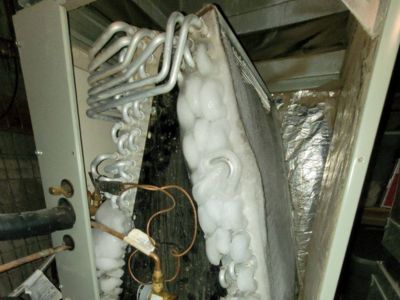 Frost or ice on AC coils requires professional services. An expert must remove the buildup to prevent the coil and the air conditioner from malfunctioning.
If there is frost on AC evaporator coils, it can prevent air from properly flowing through the component. This can occur with a clogged air filter or a blocked vent.
When ice or frost is suspected on an evaporator coil, a professional must repair or clean it quickly to enable the air conditioner to function properly. Frozen evaporator coils should be treated immediately!
The AC Runs Longer
Another sign that an evaporator coil needs to be cleaned or repaired is if a home’s air conditioner runs longer than expected without turning off. Longer cycles can be problematic as they can cause the air conditioner to overwork and increase energy bills.
An AC system can fail to turn off properly due to a dirty coil if there are buildups of frost, dirt, or other debris. Continuous running can also be due to a problem with the heat exchange process or can signal there is a malfunctioning sensor.
Homeowners should schedule regular evaporator cleaning services to prevent an air conditioner from malfunctioning due to a dirty evaporator coil. The sooner professional services are booked, the sooner an AC system can get up and running again, and an ideal temperature can be restored in a home.
About Cardinal Heating & Air Conditioning
Cardinal Heating & Air Conditioning has handled Sun Prairie’s electrical, plumbing, and HVAC needs for nearly 40 years. With their competitive up-front pricing, tailor-made solutions, money-saving membership plan, and fast turnarounds, it’s no surprise that they’ve won numerous awards – including the Angi Super Service Award for several years running. Their trustworthy, clean, licensed technicians are available 24 hours a day for emergency service. Don’t hesitate to call them today for evaporator coil cleaning and repair services in Sun Prairie, WI! Learn more about the author here.
)
Distribution Links +
- https://smb.gatescountyindex.com
- https://smb.harlandaily.com
- https://smb.irontontribune.com
- https://smb.ourdavie.com
- https://smb.state-journal.com
- https://smb.thecharlottegazette.com
- https://smb.thecoastlandtimes.com
- https://smb.theinteriorjournal.com
- https://smb.thetidewaternews.com
- https://smb.tryondailybulletin.com
- https://smb.winchestersun.com
- https://smb.farmvilleherald.com
- https://smb.salisburypost.com
- https://smb.shelbycountyreporter.com
- https://smb.smithfieldtimes.com
- https://smb.suffolknewsherald.com
- https://smb.thewashingtondailynews.com
- https://smb.thewetumpkaherald.com
- https://smb.cordeledispatch.com
- https://smb.lagrangenews.com
- https://smb.middlesboronews.com
- https://smb.roanoke-chowannewsherald.com
- https://smb.tallasseetribune.com
- https://smb.thepostsearchlight.com
- https://smb.valleytimes-news.com
- https://smb.lowndessignal.com
- https://pr.washingtoncitypaper.com
- https://smb.theleesvilleleader.com
- https://smb.prentissheadlight.com
- https://smb.beauregardnews.com
- https://pr.hattiesburg.com
- https://pr.walnutcreekmagazine.com
- https://pr.thembnews.com
- https://pr.stylemg.com
 There are several different causes of poor indoor air quality, including
  The causes of poor IAQ differ from room to room in your home. Bathrooms are prone to mold, mildew, odors, and pathogens. In the living room or family room, the presence of dust, dander, tobacco smoke, and VOCs originating from sources like paint and varnish can serve as indicators of poor indoor air quality. Similarly, bedrooms might contain dust mites and VOCs from products like perfumes and hairsprays, signaling potential air quality issues. Finally, kitchens can contribute to poor indoor air quality due to cooking devices and fuel oil emissions. Although the filters in your HVAC system can help with some of these issues, most filters won’t be able to catch all the issues related to poor IAQ.
 There are numerous ways to go about improving indoor air quality in your home:
)
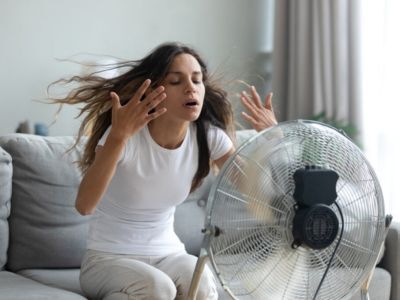 This symptom can be disguised by or attributed to the heat outside. Sometimes when it is exceptionally warm, an air conditioner may have trouble keeping the home at optimal temperature. Still, it should not be hot in the home, no matter the temperatures outside. If an air conditioning unit is having significant trouble keeping the home at a comfortable temperature, there may be a need for air conditioning replacement. Even if the whole unit does not need to be replaced, several things could be wrong.
 Another indicator of a problem with the unit is when it starts making
 )