
 Professional
 Clean
Clean
 Fast
Fast

The Problem With Dry Winter Air
Dry winter air is a reality for homeowners, especially here in Wisconsin where temperatures drop and heating systems run non-stop. It’s easy to notice the immediate effects—dry, itchy skin, static shocks, or a scratchy throat when you wake up in the morning. What’s less obvious, however, is how low humidity can quietly damage your home and even increase energy costs.
Most homeowners are familiar with small, portable humidifiers, but these devices have their limitations. A whole-home humidifier addresses the issue more effectively by balancing humidity levels across your entire house. When managed properly, it can improve comfort, protect your home, and even contribute to better health during the winter months.
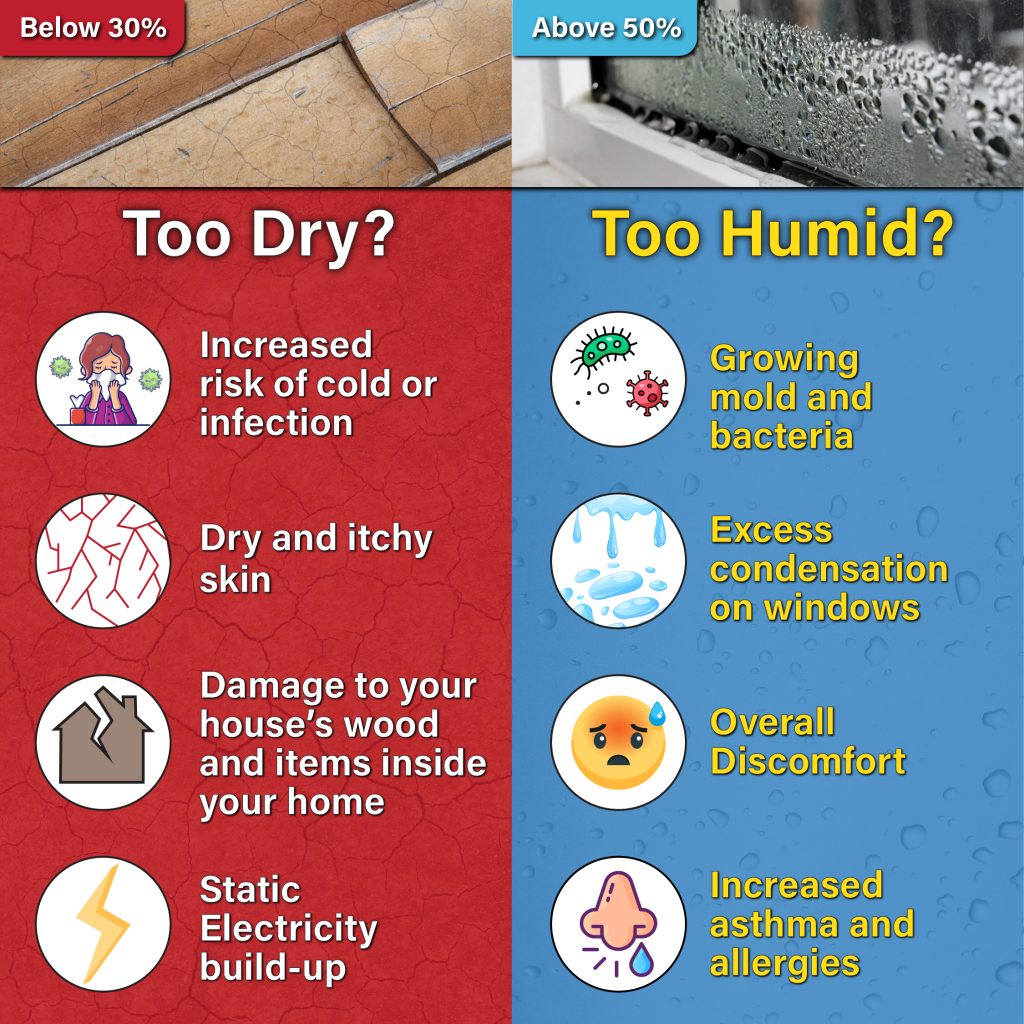
How Dry Air Affects Your Health and Home
The Hidden Impact on Your Health
Dry air doesn’t just feel uncomfortable—it has a measurable impact on your body’s health. When humidity levels drop, the air pulls moisture from your skin, sinuses, and throat, which can lead to several common issues:
Irritated sinuses and respiratory discomfort: Low humidity dries out the nasal passages, which can weaken your body’s natural defense against colds, allergies, and sinus infections.
Dry, cracked skin: Skin loses moisture faster in dry air, leading to itching, flaking, and irritation, especially on the hands and face.
Increased susceptibility to illness: Dry air allows viruses to thrive and spread more easily, which can make winter illnesses like the flu more common.

The Hidden Impact on Your Home
Beyond health, low humidity can cause gradual, often costly damage to your home. Wood flooring, furniture, and trim are particularly vulnerable as dry air pulls moisture from natural materials. Over time, you may notice:
Cracked or warped wood:Floors, furniture, and even wooden musical instruments can creak, split, or lose their shape.
Damage to walls and paint:Dry air causes paint to peel or crack, while brittle caulking around windows and doors can lead to gaps.
Loose trim and gaps in flooring: The shrinking of materials caused by moisture loss often results in structural issues that are expensive to repair.
These problems don’t happen overnight, but they build up over the winter months and add unnecessary wear to your home.
Why Consistent Humidity Matters in Winter
Humidity doesn’t just affect your comfort—it plays a significant role in how warm your home feels. Dry air allows moisture to evaporate from your skin more quickly, which makes you feel colder even if the thermostat is set high. With balanced humidity levels, your home retains heat better, which allows you to:
- Feel warmer at lower thermostat settings.
- Reduce energy usage by keeping the heat from running as frequently.
- Ultimately, proper humidity strikes a balance: improving comfort, reducing heating costs, and protecting your home from long-term damage.
The Role of Whole-Home Humidifiers
While portable humidifiers are useful for small spaces, they aren’t designed to manage the humidity needs of an entire home. They often require constant refilling, cleaning, and monitoring. Whole-home humidifiers, on the other hand, integrate with your existing HVAC system to address dry air more comprehensively.
Here’s how they work:
- Even moisture distribution: A whole-home humidifier ensures every room receives balanced humidity levels, not just individual spaces.
- Automatic adjustments: These systems monitor humidity levels and adjust automatically, so you don’t have to manage them manually.
- Low maintenance: Unlike portable units, whole-home systems require very little upkeep once installed.
By maintaining consistent humidity throughout the winter, a whole-home system helps prevent health issues, protects your home, and improves overall comfort.
How to Know If Your Home Needs a Humidifier
Not sure if your home has a humidity issue? Here are some signs to watch for:
- You regularly wake up with a dry throat, sinus discomfort, or chapped lips.
- Your skin feels itchy, cracked, or irritated despite using lotion.
- You notice wood floors creaking more than usual or see small cracks in walls, furniture, or trim.
- You feel colder than the thermostat suggests, leading you to turn up the heat.
If any of these sound familiar, it may be time to consider a whole-home solution to balance your indoor humidity.
Addressing Dry Air for a Healthier, More Comfortable Home
Dry air is a common but often overlooked issue in many homes during the winter months. It can affect your health, damage your home, and make it harder to stay comfortable without running up your energy bill.
A whole-home humidifier provides a practical, long-term solution to these challenges by maintaining consistent, balanced humidity throughout every room. The benefits are clear: fewer health issues, a more comfortable environment, and added protection for your home’s materials and structure.
If you’re tired of battling the effects of dry air every winter, consider exploring how whole-home humidity control can make a difference. It’s a simple change that has a lasting impact on your comfort, health, and home.