Schedule Service

You’ve probably wondered if those power strips you’ve plugged in around your home are actually doing what you think they’re doing. 

It’s a fair question. You’ve been diligent about protecting your TV, your computer, maybe your router. But in the back of your mind, there’s this nagging thought: 

Is this actually enough?

Here’s the truth: those power strips are like putting a good lock on your front door while leaving the windows open. They’re doing something, just not enough. 

This isn’t about catastrophic lightning strikes or rare events. It’s about the everyday electrical activity happening in your home that you can’t see, and how it quietly shortens the life of everything plugged into your walls. 

This article will explain what whole-home surge protection actually is, how it works, and why it makes sense for homes like yours. No scare tactics. Just clarity. 

What Whole-Home Surge Protection Is (Plain English)
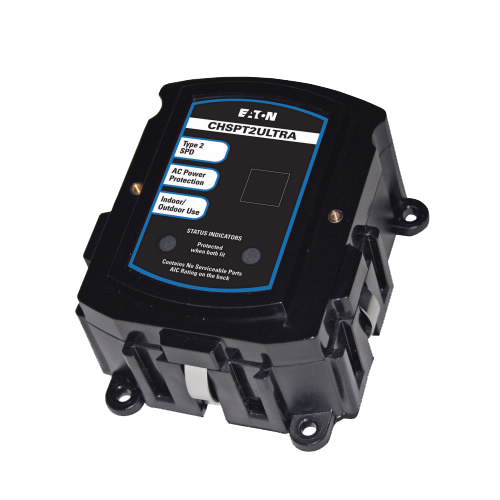
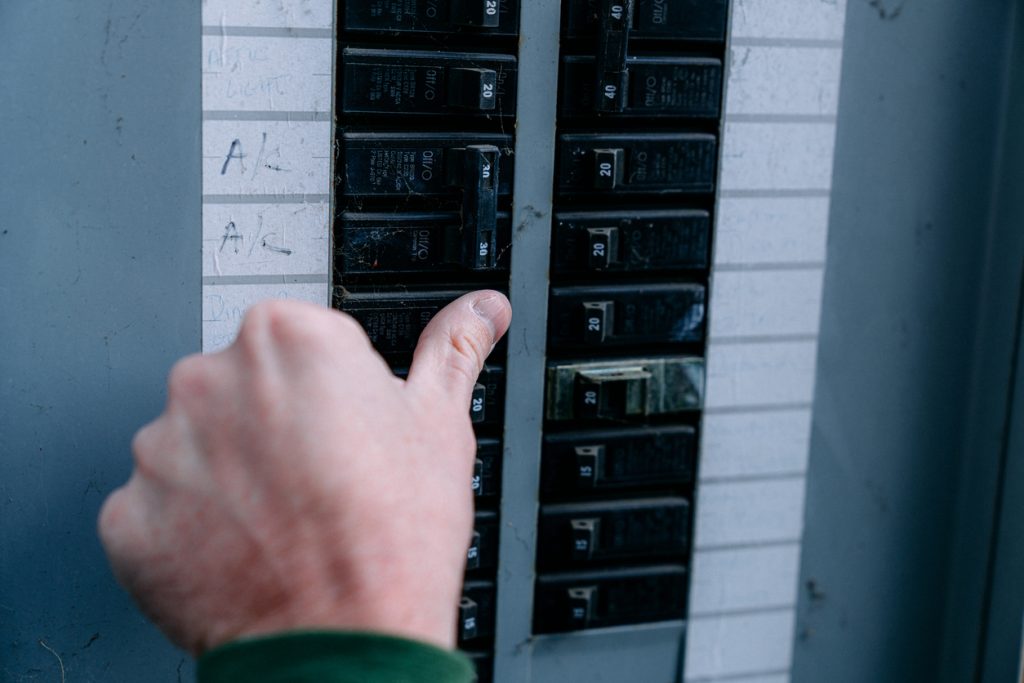
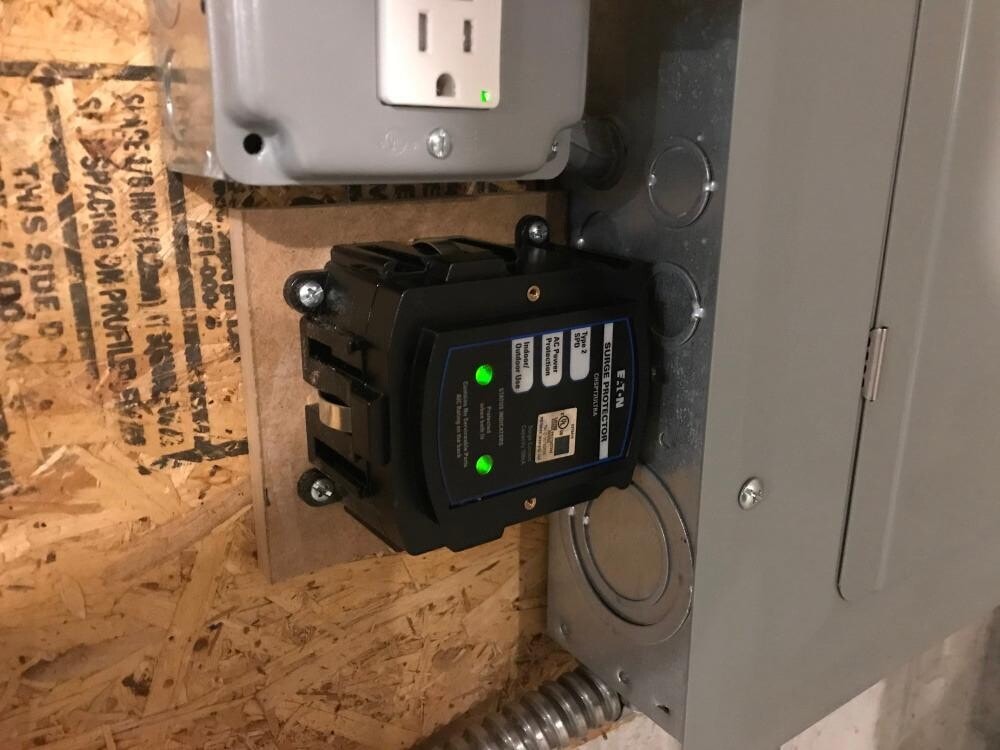
Whole-home surge protection is a device installed at your electrical panel that monitors and controls the voltage entering your home. 

Think of your electrical panel as the front door to your house. Right now, everything coming through that door — good or bad — flows straight to every outlet and appliance inside. A whole-home surge protector is like posting a bouncer at that door. It checks the voltage coming in, and when something’s off, it stops the problem before it gets inside. 

It installs directly into or next to your main electrical panel. The work takes a licensed electrician about one to two hours, depending on your setup. Once it’s in, it’s working 24/7, without you having to think about it. 

No dashboards. No settings. It just does its job. 

What It Protects (And Why That Matters)

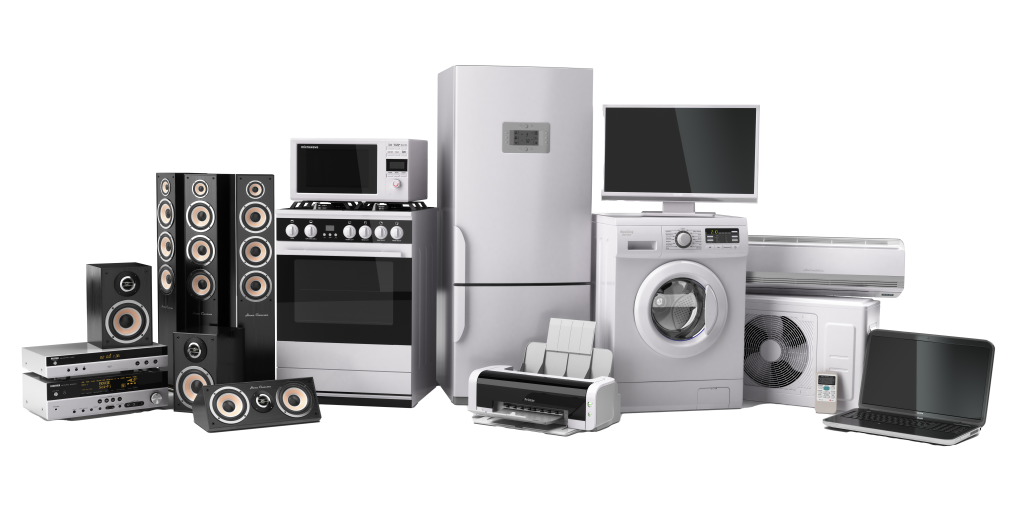
Whole-home surge protection covers everything connected to your electrical system: 

  • Furnace and air conditioner 
  • Refrigerator and microwave 
  • Washer, dryer, and water heater 
  • TVs, gaming systems, computers, and Wi‑Fi equipment 
  • Garage door openers, doorbell cameras, and smart home devices 

Modern homes are full of sensitive electronics. Even appliances you think of as “just appliances” now rely on circuit boards and digital controls. 

Whole-home surge protection means you’re protecting all of it at once, instead of trying to guess which outlets deserve a power strip. 
Why Power Strips Feel Helpful — But Aren't Enough

Power strips with surge protection aren’t useless. They do provide a layer of protection for the devices plugged into them, and that’s better than nothing. 

But they have real limitations: 

  • They only protect what’s plugged into them 
  • Hardwired systems like HVAC and refrigerators get no protection 
  • They wear out quietly, often without warning 

And here’s the part most homeowners don’t realize: 

They can’t stop surges that originate inside your home. 

Imagine trying to protect your house from a flood by putting sandbags around individual pieces of furniture. Thoughtful, but the water’s already inside. 

Power strips are fine for what they are. They’re just not designed to handle the whole picture. 

The Real Problem Isn't Big Surges — It's the Small Ones

When most people think about surges, they picture lightning strikes or transformers blowing. Those things happen, but they’re rare. 

The bigger issue is micro‑surges: small, repeated voltage spikes that happen dozens of times a day as appliances cycle on and off. 

Each one is tiny. You never notice it. But over months and years, they wear down the sensitive components inside your electronics. 

Think of it like sun exposure. One sunburn probably won’t cause lasting damage. But years without protection will. 

That’s why: 

  • TVs fail earlier than expected 
  • Touchpads stop responding 
  • HVAC control boards burn out prematurely 

It’s not bad luck. It’s cumulative electrical stress, and whole-home surge protection stops it at the source. 

How Whole-Home Surge Protection Works (Step by Step)
Installation 

A licensed electrician installs the device at your electrical panel. Power may be briefly shut off. Most installs take about two hours. 

Monitoring 

The system constantly watches the voltage entering your home. 

Response 

When voltage rises above safe levels, from the grid or from appliances inside your home, the system reacts instantly. 

Protection 

Excess energy is safely redirected into the ground before it reaches your outlets. 

You never see it working. That’s the point. 

Do You Need It? A Quick Self‑Check

Ask yourself: 

  • Do you have electronics you’d hate to replace early? 
  • Is your home more than 10–15 years old? 
  • Do lights flicker when major appliances turn on? 
  • Would a $1,000 surprise repair be disruptive? 

If a few of these hit close to home, that’s usually a sign it’s worth having a professional take a look, just to be sure. 

Why This Is Especially Relevant After the Holidays 

If you added new electronics recently like TVs, gaming systems, smart appliances, you’ve increased what’s at stake. 

In many Wisconsin homes, especially those built before today’s tech‑heavy lifestyles, electrical systems were never designed for this level of constant demand. 

You’ve already made the investment. This just makes sure it lasts. 

What a Professional Assessment Adds (Without Pressure)

You can research surge protection on your own. But there’s value in having an electrician who works in Dane County homes every day look at your system. 

At Cardinal, we offer a free electrical risk assessment: 

  • We evaluate your panel 
  • Identify potential risks 
  • Explain your options clearly 

No pressure. No upselling. Just information. 

And this January, we’re offering $50 off whole‑home surge protection installation, simply to make the decision easier if you’ve already been thinking about it. 

Frequently Asked Questions

Is whole‑home surge protection worth it? 

Yes. Replacing electronics early costs far more over time than protecting them upfront. 

Do newer homes need surge protection? 

Yes. Newer homes often have more sensitive electronics. 

Can I still use power strips? 

Absolutely. Whole‑home protection works with power strips as layered defense. 

Here is what your neighbors are saying 

Rebecca A. – Sun Prairie, WI 

Ryan did a great job on our electrical inspection. He was thorough and explained all of his findings to ensure that we understood. He also installed a new outlet and a whole home surge protector. I would definitely recommend Ryan and Cardinal for electrical repairs and service. 

Cheri K. – Verona, WI 

Justin did an excellent job inspecting our home electrical. He was friendly, knowledgeable and gave good recommendations. We purchased a whole house surge protector as a result of it. 

 Carl T. – Lodi, WI 

Cardinal electricians did a great job installing a whole house surge protector and a 220V line to our garage. Their team is always very professional, neat and efficient. 

How long does it last? 

Most systems last 5–10 years or longer. 

Does it protect against lightning? 

It significantly reduces risk, especially from everyday surges. No system guarantees protection from a direct strike. 


Conclusion

You were right to wonder if power strips were enough. 

Whole‑home surge protection isn’t about fear. It’s about being done thinking about this. It’s about protecting what you’ve invested in, and crossing one more thing off your mental checklist. 

You already carry enough as a homeowner. This is one thing you can take off your plate. 

Schedule a free electrical risk assessment with Cardinal. 

We’ll evaluate your system, answer your questions, and explain your options — no pressure, just clarity. 

This January only: Save $50 on whole‑home surge protection installation when you schedule your assessment. 
➡️ Schedule Your Free Assessment 

Schedule Service

5 Signs Your Electrical Panel Is Struggling with the Holidays (And What to Do About It)

The holiday season is magical until the lights go out. 

December is the most power-hungry month of the year for most homes. Between the oven working overtime, space heaters fighting the cold, every room lit up like a winter wonderland, and guests charging devices in every outlet, your electrical panel is under more stress than ever. 

If your panel wasn’t designed for this kind of load, or if it’s simply past its prime, the holidays can quickly go from festive to frustrating. 

Here are five warning signs that your electrical panel might not be ready for Christmas, and what you can do to protect your home (and your holiday plans). 

1. Your Breakers Trip Frequently

The Sign: You flip a breaker back on more than once a month, especially when running multiple appliances. 

What It Means: Your panel is overloaded. Breakers are designed to trip when circuits draw more power than they can safely handle. If this happens regularly, or if it happens when you’re just trying to run the oven and the coffee maker at the same time, your panel is telling you it can’t keep up. 

The Holiday Risk: It’s Christmas evening. Your entire family is gathered around the table. The turkey just came out of the oven, the sides are staying warm, and you’re finally about to serve dinner. Someone plugs in the electric carving knife while the dishwasher is running. SNAP. The dining room goes dark. The oven shuts off. The food stops cooking. Everyone’s staring at you while you scramble to the breaker box with a flashlight, apologizing profusely. That’s not the holiday memory you wanted to create. 

2. Lights Flicker When You Turn On Appliances

The Sign: The lights dim or flicker when the microwave runs, the hair dryer starts, or the AC kicks on. 

What It Means: Flickering lights can stem from several electrical issues, from loose connections to circuit overload. Rather than attempting to diagnose the problem yourself, it’s best to have a licensed electrician perform a thorough electrical inspection to identify the root cause. 

The Holiday Risk: December already has you running more lights, more appliances, and more electronics than usual. Flickering lights aren’t just annoying. They’re a warning that your system is stretched thin. 

3. Your Panel Is Over 20 Years Old

The Sign: You’re not sure when your panel was installed, or you know it’s from the 1990s or earlier. 

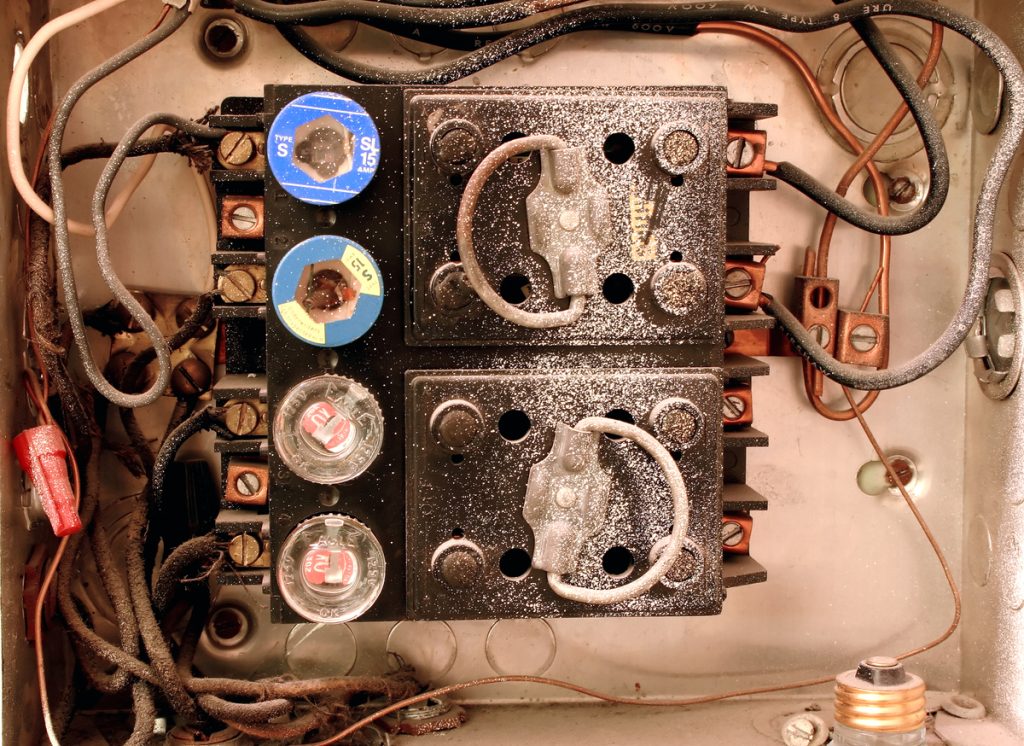
What It Means: Electrical panels have a lifespan. Older panels weren’t built to handle the power demands of modern homes. Twenty years ago, homes didn’t have smart devices, electric vehicle chargers, high-efficiency HVAC systems, or the sheer number of electronics we use today. 

How to Check Your Panel’s Age: Open your electrical panel door and look for a manufacturing date or label. It’s usually printed on a sticker inside the door or on the panel itself. If the information isn’t visible there, we recommend not digging deeper as it can be dangerous. Please contact a professional electrician for assistance. 

The Holiday Risk: An aging panel is more likely to fail under heavy load, and December is the heaviest load month of the year. If your panel was installed before 2005, it wasn’t designed for a 2025 Christmas. 

4. You Smell Burning or Notice Warm Spots on the Panel

The Sign: There’s a faint burning smell near your electrical panel, or the panel feels warm (or hot) to the touch. 

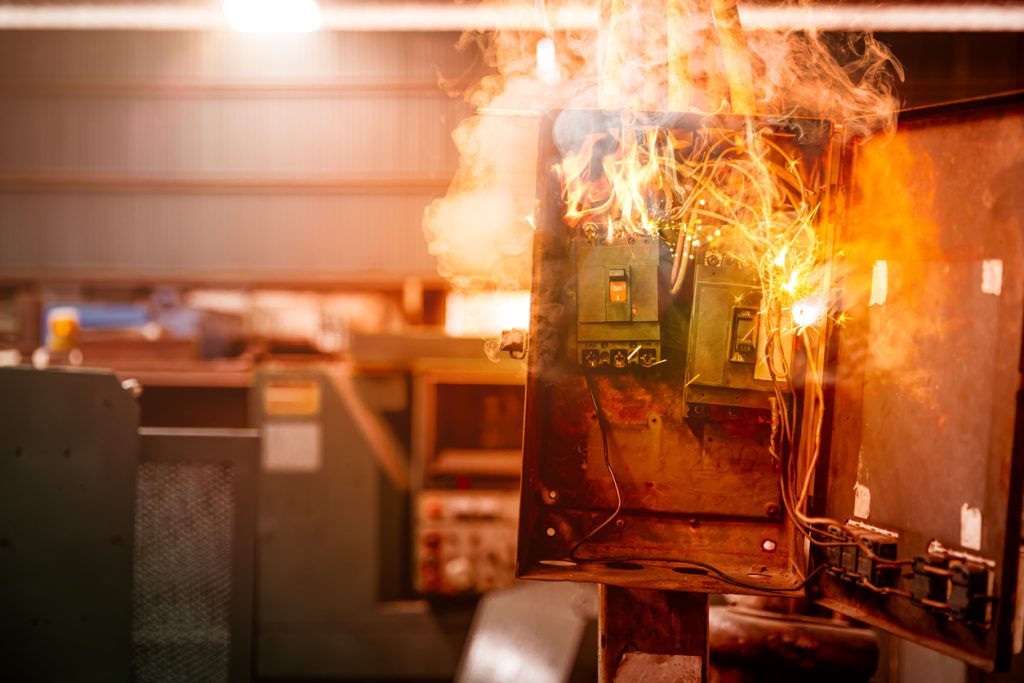
What It Means: This is serious. Heat and burning odors indicate failing connections, overloaded circuits, or damaged components. This isn’t just an inconvenience. It’s a fire hazard. 

The Holiday Risk: December is not the time to gamble with electrical safety. With more lights, more cooking, and more power draw than any other month, a compromised panel is dangerous. If you notice these signs, don’t wait. Call a professional immediately. 

5. You're Using Extension Cords and Power Strips Everywhere

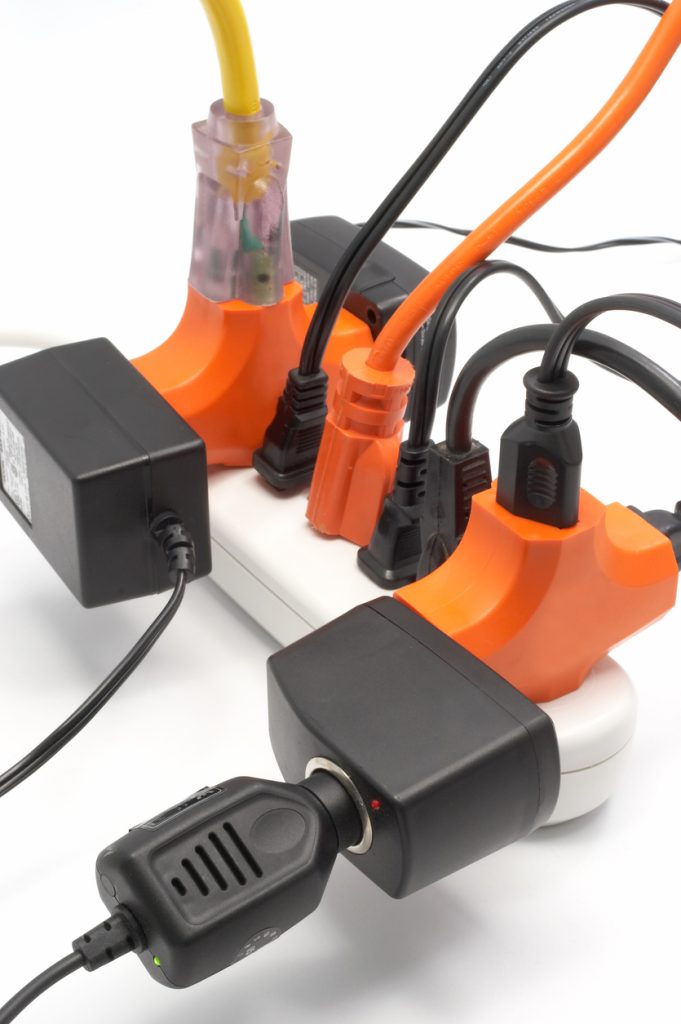
The Sign: Every room has extension cords daisy-chained together because you don’t have enough outlets, or the outlets you have aren’t in the right places. 

What It Means: Your home’s electrical infrastructure isn’t keeping up with your needs. While power strips aren’t inherently dangerous, relying on them constantly means your circuits are likely overloaded, and your panel may not have the capacity to support everything you’re plugging in. 

The Holiday Risk: Between holiday lights, cooking appliances, space heaters, and guests charging devices, December multiplies your power demands. Overloaded circuits don’t just trip breakers. They increase the risk of electrical fires. 

What You Can Do About It

If any of these signs sound familiar, it’s time to take action before the holidays hit full swing. 

Schedule an Electrical Panel Inspection 

A licensed electrician can assess your panel’s condition, capacity, and safety. They’ll let you know if your system can handle your holiday load or if it’s time for an upgrade. 


Consider a Panel Upgrade

Upgrading your electrical panel isn’t just about avoiding holiday headaches. It’s about: 

  • Safety: Reducing fire risk and protecting your home 
  • Capacity: Supporting modern appliances, electronics, and future needs 
  • Peace of Mind: Knowing your home can handle whatever December throws at it 

Don’t Wait Until It’s Too Late 

Emergency electricians during the holidays? They’re booked solid and expensive. A panel failure on December 23rd could mean no power until after Christmas. The best time to upgrade your panel is before you need it. 

This December, we’re offering $250 OFF electrical panel upgrades to help homeowners get ahead of the holiday power surge. 

Don’t let an outdated panel black out your Christmas. Protect your home, your family, and your holiday plans with a smart upgrade now, while there’s still time. 

Your holiday shouldn’t hinge on hope. 

Questions about your electrical panel? Call us at (608) 837-9367 or schedule a free inspection online. We’re here to help you enjoy a safe, worry-free holiday season.  

Schedule Service

Is Your Home's Electrical System Trying To Tell You Something?

Your house talks. Not in words, obviously. That would be concerning for entirely different reasons. But it communicates constantly through small, easy-to-dismiss signs that most homeowners notice and then promptly forget about. 

Until November hits. Until you’re running space heaters, turning on lights at 4:30 in the afternoon, and pulling out holiday decorations. That’s when your electrical system stops politely hinting and starts insisting you pay attention. 

We’ve spent decades translating what houses are trying to say. Here are seven things your home has probably been telling you, and what they actually mean. 

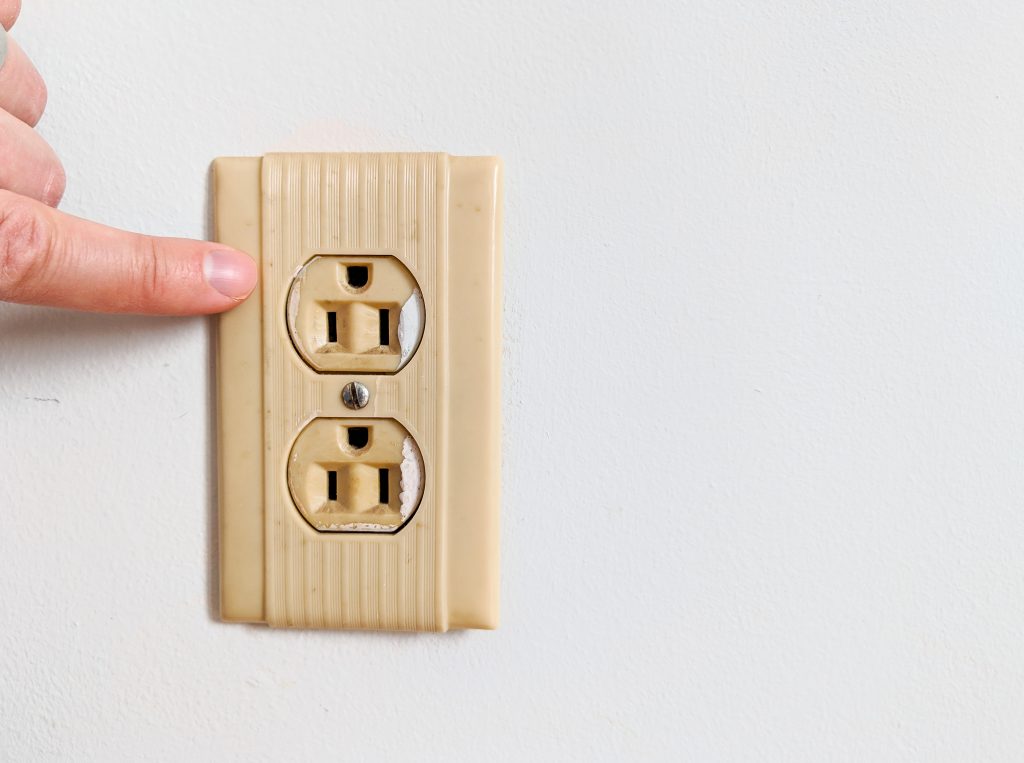
“This Outlet Feels Warm”

What you notice: An outlet that’s slightly warm to the touch, especially when something’s plugged in. 

What it actually means: Electrical resistance is creating heat where it shouldn’t exist. This typically indicates a loose connection, a deteriorating outlet, or wiring that’s not making proper contact.

Electricity wants to flow smoothly. When connections degrade over time (and they all do), electricity has to work harder to get through. That extra work creates heat. A warm outlet isn’t working harder because of ambition. It’s working harder because something is failing. 

That outlet that feels slightly warm in July when you’re charging your phone? In November, when you’re running a space heater through it, that warmth can become actual heat. The kind that smells like burning plastic. 

“This Breaker Trips When You Use the Microwave and The Coffee Maker at the Same Time” 

What you notice: A specific breaker that’s touchy. It trips when you run two appliances simultaneously, or when you vacuum a certain room, or seemingly at random. 

What it actually means: You’re either overloading that circuit, or the breaker itself is wearing out, or both. 

Circuit breakers aren’t immortal. They’re mechanical devices with springs and contacts that wear down over time. A breaker that trips at 15 amps when it’s rated for 20 amps isn’t being cautious. It’s failing. 

The other possibility is that your circuit is legitimately overloaded. Your house was wired for the electrical demands of whenever it was built. Your current life, with its phone chargers, laptops, instant pots, and streaming devices, may be asking for more than that circuit was designed to give. 

“This Light Flickers, But Only Sometimes” 

What you notice: A light that flickers occasionally, or dims when you turn on another appliance, or just seems less bright than it used to be. 

What it actually means: Somewhere between the panel and that light, there’s a connection that’s not solid. 

Flickering is your electrical system’s way of saying “I’m losing my grip here.” It could be a loose wire in the fixture itself, a failing switch, a poor connection in the junction box, or a problem at the panel. The intermittent nature makes it easy to ignore. It’s not broken, it’s just quirky, right? 

But intermittent problems don’t stay intermittent. Loose connections create heat. Heat creates more resistance. More resistance creates more heat. It’s a cycle that ends with either a complete failure or, in worst cases, an electrical fire. 

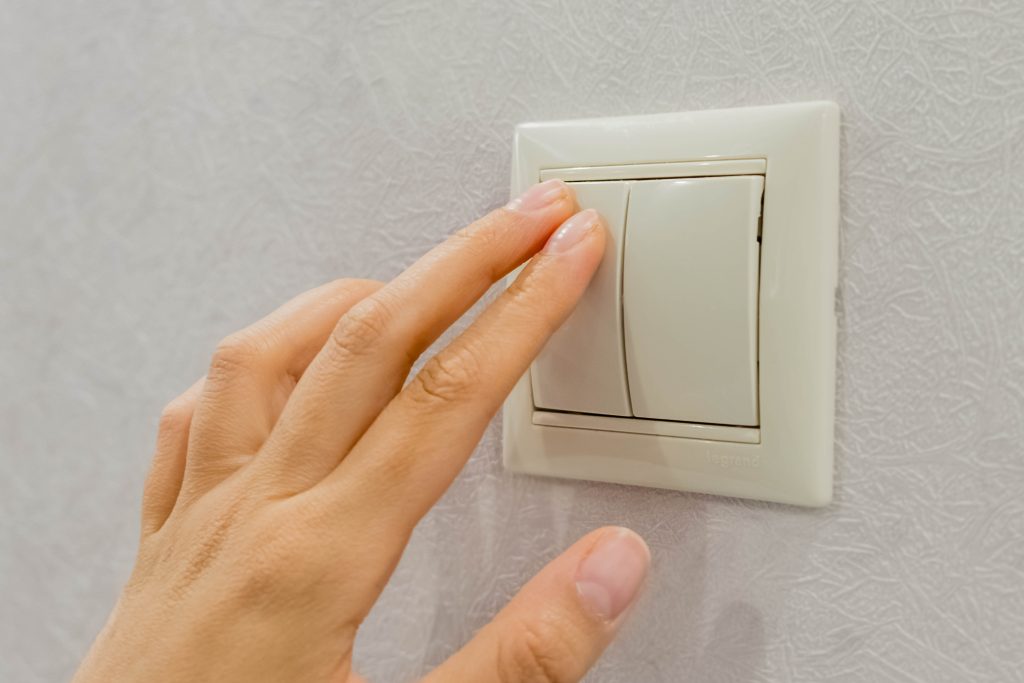
“This Switch Takes Two Tries To Work” 

What you notice: A light switch that doesn’t always work on the first flip. You flip it once, nothing. Flip it again, and the light comes on. 

What it actually means: The switch contacts are worn, corroded, or loose. 

Inside every light switch are metal contacts that make and break the electrical connection. Over thousands of cycles, these contacts wear down. Eventually, they don’t make solid contact when you flip the switch. Electricity is arcing across a gap, trying to complete the circuit. That arcing creates heat and further degrades the contacts. 

A switch that takes two tries today might take five tries next month, or might stop working entirely when your house is pulling maximum load. 

“The Lights Dim When The AC Kicks On” 

What you notice: Every time your air conditioner, furnace, or another large appliance starts up, the lights briefly dim. 

What it actually means: Your electrical service is undersized for your home’s current demands, or there’s a problem with your main panel connections. 

Large appliances draw significant power when they start. In a properly sized electrical system with good connections, you shouldn’t notice this. If you do, it means your system is straining. 

This is especially common in older homes that have added electrical demands over the years without upgrading the service. Your house might have 100-amp service trying to support a lifestyle that really needs 200 amps. It works, technically, but it works at the edge of its capacity. 

“There’s A Burning Smell, But You Can’t Find The Source”

What you notice: An occasional electrical or plastic burning smell that you can’t quite locate. It comes and goes. 

What it actually means: Stop reading and call an electrician. Today. 

This isn’t a subtle warning sign. This is your house actively overheating somewhere. It could be an overloaded circuit, a failing outlet, a loose connection in the panel, or deteriorating wiring inside the walls. 

The fact that you can’t locate it makes it more concerning, not less. It means the problem is hidden, inside a wall, in the attic, behind the panel. And if you’re smelling it, it’s already producing enough heat to melt insulation. 


“Your Panel Makes A Buzzing Or Humming Sound” 

What you notice: Your electrical panel produces a faint buzzing, humming, or sizzling sound. Maybe you only hear it when you’re standing right next to it. 

What it actually means: Something inside the panel is loose, failing, or overloaded. 

Electrical panels should be essentially silent. A humming or buzzing sound indicates electrical arcing, a loose connection, or a failing breaker. These sounds mean electricity is jumping across gaps it shouldn’t be jumping across, or connections are vibrating under load. 

This is particularly dangerous because the panel is the heart of your electrical system. A problem here isn’t isolated to one room or one circuit. It affects your entire home. 


Why November Makes Everything Worse

Your electrical system has been compensating all year. That loose outlet connection still works, barely. That worn breaker still holds, mostly. That undersized circuit still delivers power, just enough. 

Then November arrives. Darkness at 4:30 PM means every light in the house is on for hours. Space heaters come out. Holiday decorations go up. You’re asking your electrical system to deliver maximum power, for maximum duration, right when it’s at its weakest. 

The signs you’ve been noticing all year? They’re about to become problems you can’t ignore. 

What To Do About It

If you’ve recognized your house in any of these descriptions, you’re not being paranoid. You’re being observant. These signs don’t get better on their own. They get worse, usually at the least convenient moment possible. 

A whole-home electrical inspection tells you exactly what your house has been trying to say. An electrician will check every outlet, every switch, every circuit, and every connection in your panel. You’ll get a detailed report with photos, plain-English explanations, and prioritized recommendations. Not guesses. Not maybes. Actual answers. 

We’ll translate what your house has been trying to tell you before November’s electrical demands turn whispers into emergencies. Because the only good emergency is the one that never happens.